
How We Pick Hiking Gear: Our Honest Favorites
Choosing hiking gear can feel overwhelming with all the options available. Over the years, we’ve developed a process for selecting kit that balances functionality, durability, and value. Our goal is to buy only what we truly need and items that enhance our outdoor experience.
Here is a breakdown of our selection process, our "timeless" philosophy, and the specific gear we trust for our adventures and beyond. We believe that owning the right gear can elevate your hike (think: lighter pack and resilience against the elements) while saving you money, plus, it is more sustainable for the environment. We have a “5-Year" rule, we only buy gear we believe will still be in our packs five years from now.
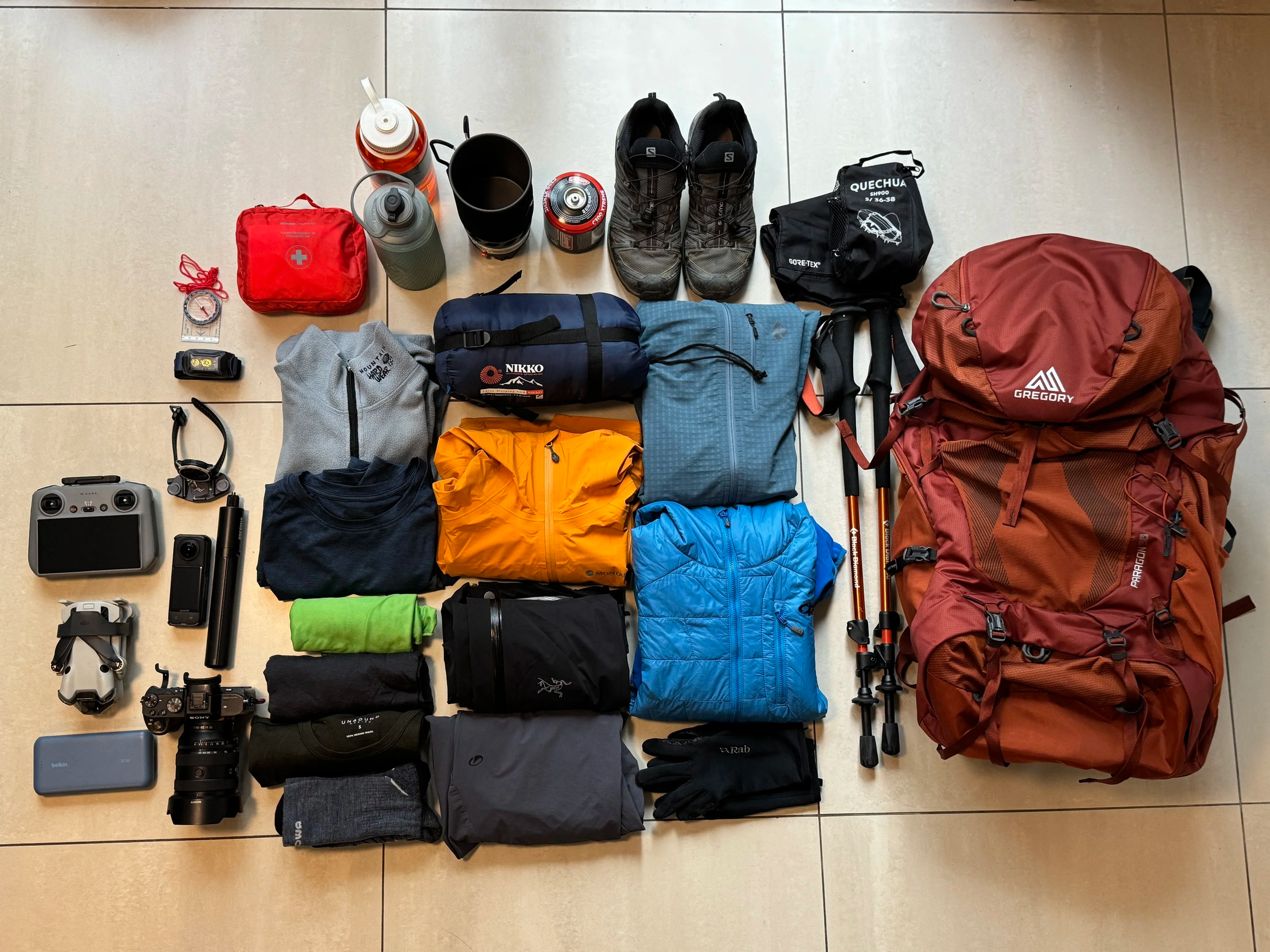
Our 5 Steps for Making a Purchase
1. Do You Actually Need It?
We believe in owning a capsule hiking wardrobe, meaning you only need one or two high-quality, versatile pieces for each layer. Once you have the foundations, the same gear can handle and adapt to hikes of different seasons and trail lengths. By picking high-quality (and good-looking) gear, you’ll be able to wear it for years. Some of our favorite pieces have been in rotation for years and still perform perfectly.
We have created a Packing Toolkit for every hiking adventure explaining the system of how we adopt our layering system and see how it is used in real world. Click here for our post explaining the packing toolkit.
A quick summary of the layering system:
Base layer: Manages moisture. We recommend merino wool; it’s lightweight, warm even when wet, and naturally odor-resistant.
Mid layer: Traps body heat. Usually a technical fleece that offers insulation without restricting movement.
Insulated layer: Provides warmth during rest or in extreme cold. Usually made from down or synthetic fill.
Shell: The most critical protection against rain, snow, and wind. We use materials like Gore-Tex to keep you dry while remaining breathable.
In terms of specialist equipment:
If you are a casual hiker, you might be better off renting specialist equipment like via ferrata lanyards or snowshoes. It’s hard to justify the cost of owning them and the hassle of checked luggage fees if you only use them once a year.
2. Know Your Specifications
Before buying, ask yourself: What types of hikes will I actually do? What are the technical requirements?
Not everyone is a gear geek like Kev, who loves reading specs and technical details. But understanding the basics is valuable. Here are some examples:
For examples:
Waterproof Ratings: A casual day hiker might prefer a lightweight, breathable 30D Gore-Tex jacket (like the Montane Phase Lite), whereas a high-altitude trekker needs the rugged durability of something like the Mammut Crater IV.
Footwear: For scrambling or via ferrata, look for shoes with a "climbing zone" and a reliable Vibram sole.
Knowing your needs ensures your gear matches your activities.
3. Prioritize Value over Price
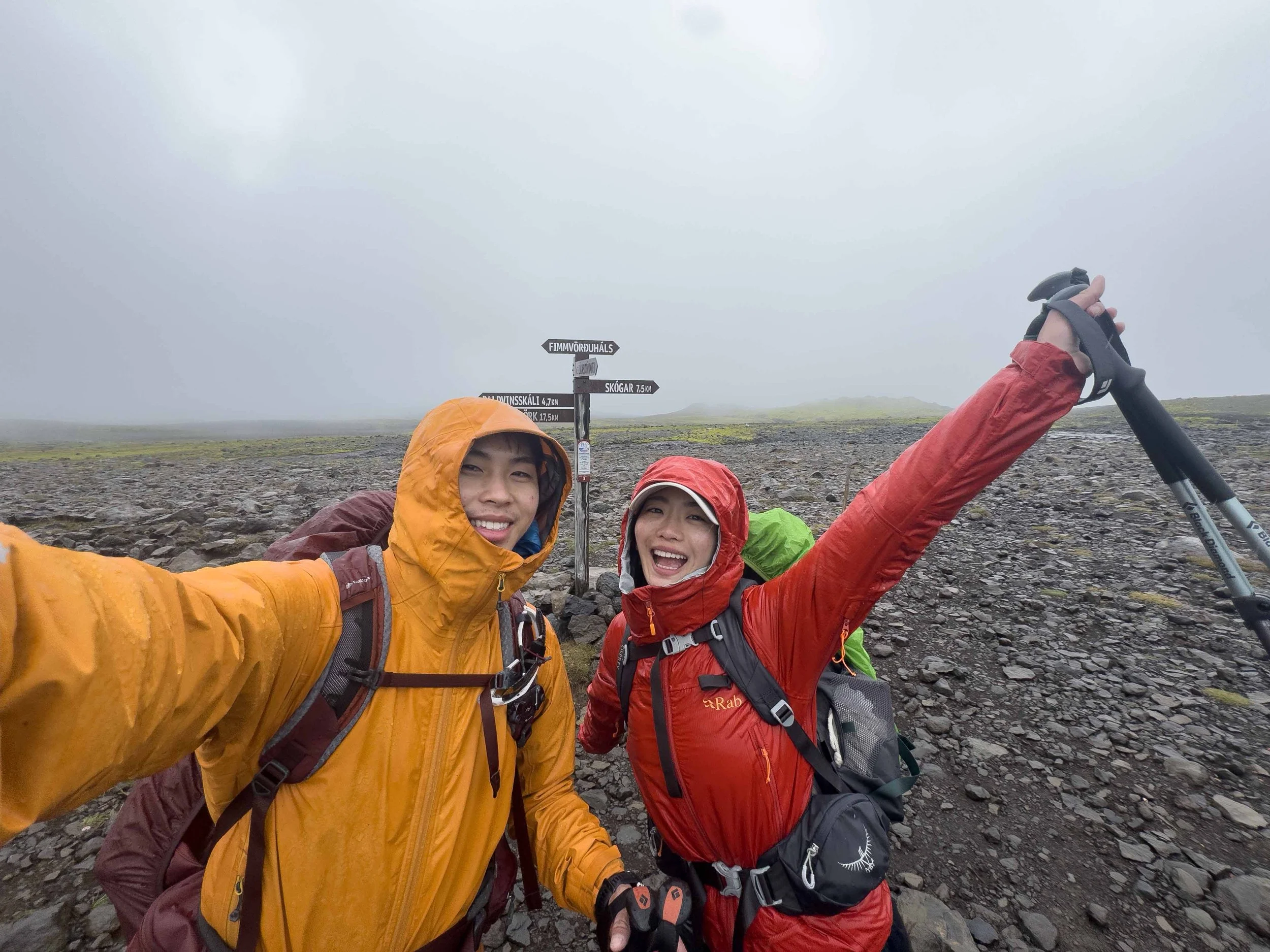
Top-tier gear is an investment, however, since we pay for our gear ourselves, value is critical. We understand that good gear are often expensive and feel like a splurge especially when you are just getting into hiking. Timelessness, durability and value for money is critical. Hiking gear frequently goes on sale because brands release "updated" versions annually to drive sales. However, we find that technical performance differences are often minor, there is no strong reason to buy them off their listed retail price.
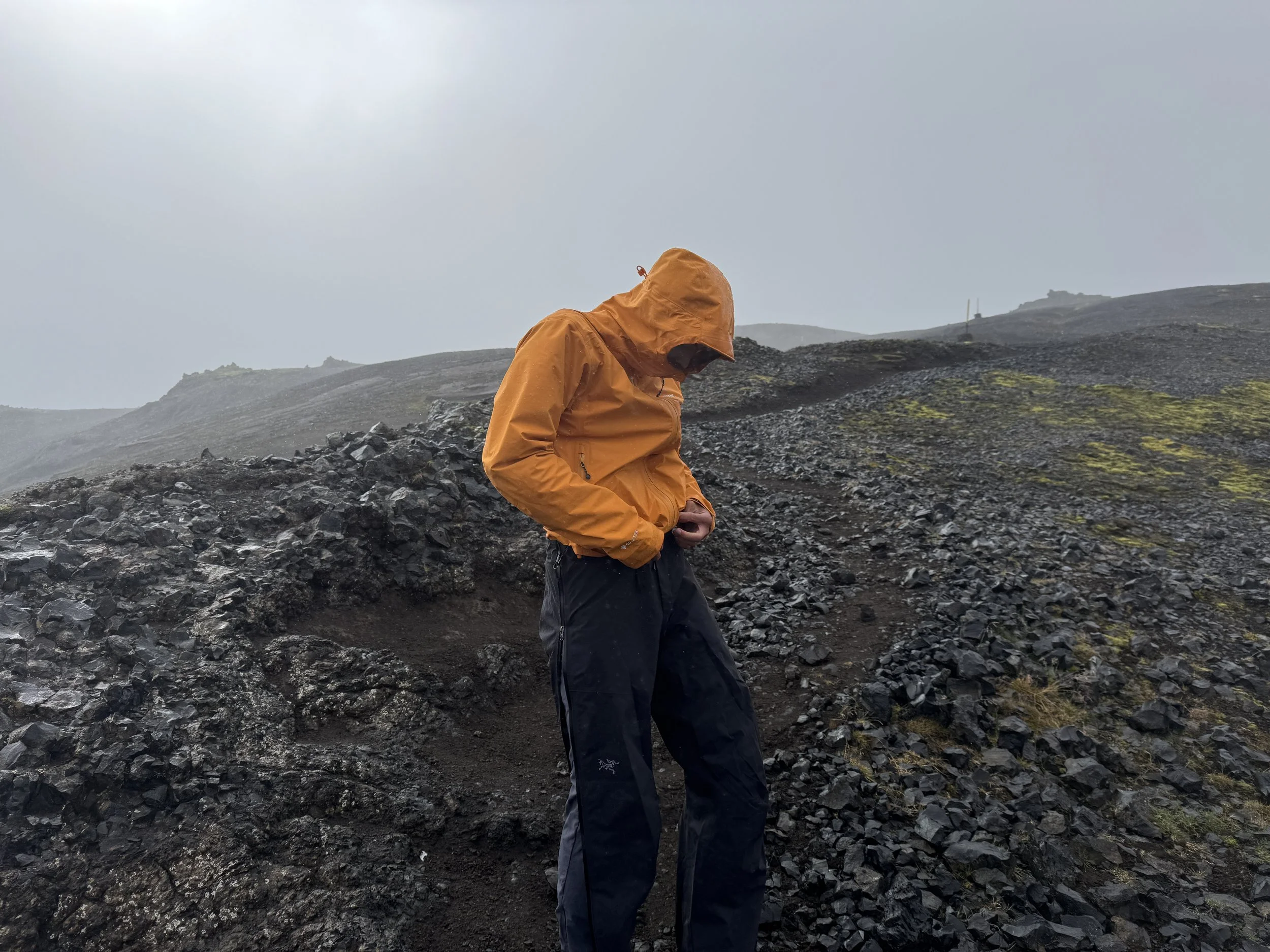
Gear doesn't go "out of fashion." Kev found a pair of Arc’teryx Beta Pants at 55% off during a summer sale. They performed flawlessly during a non-stop downpour on our Iceland Laugavegur trek. While Arc’teryx isn't usually a "budget" brand, the value-to-performance ratio at that price was unbeatable.
Tip: Don't forget to check Facebook groups or eBay for high-quality second-hand items.
4. Read (Real) Reviews
There are countless online resources and YouTube channels reviewing hiking gear. We rely heavily on Outdoor Gear Lab (mostly US/North America) and UK Climbing (more European-focused) for technical breakdowns. Reviews give insight into a product’s functionality beyond looks and help you avoid wasting money on items that underperform. However, be wary of "reviews" that are actually stealth marketing. Always cross-reference with real-world user feedback on forums like Reddit to see how gear holds up after months of use.
5. Try It On
Online shopping is convenient, but nothing beats testing gear in-store. Arguably the fit is most important, A five-star boot on paper is a zero-star boot if it gives you blisters. Testing gear in-store - especially footwear and packs is the only way to ensure the equipment will function as intended.
Our All-Time Favorites
Items we’ve tested, trusted, and will continue to use throughout 2026. We choose gear that meets our needs, value, and quality standards. That’s why our kit includes items from a variety of brands. Here are some of our all-time favorites that we won’t miss on an trips:
Backpacks
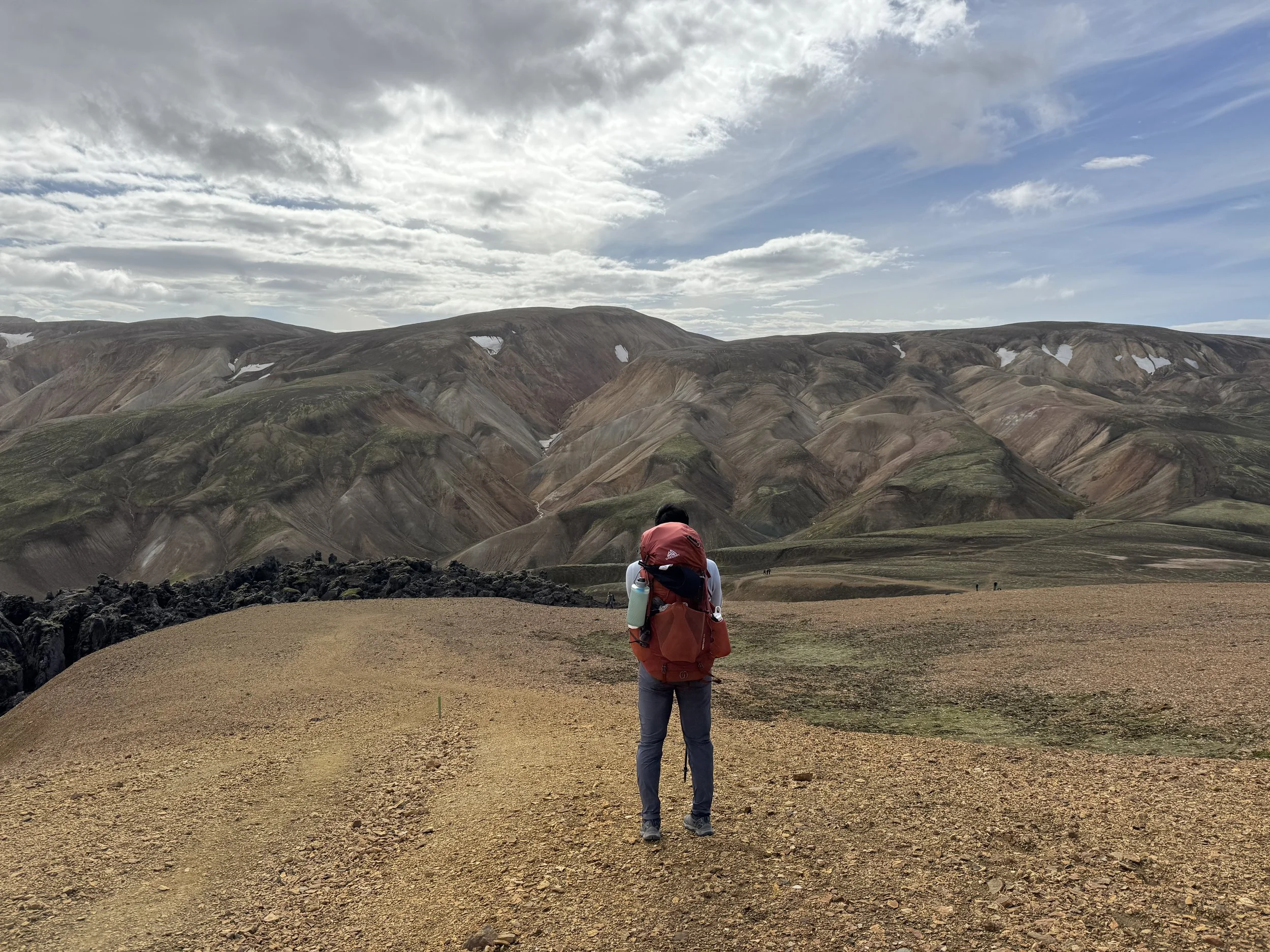
Gregory Paragon 58 (Kev’s pack)
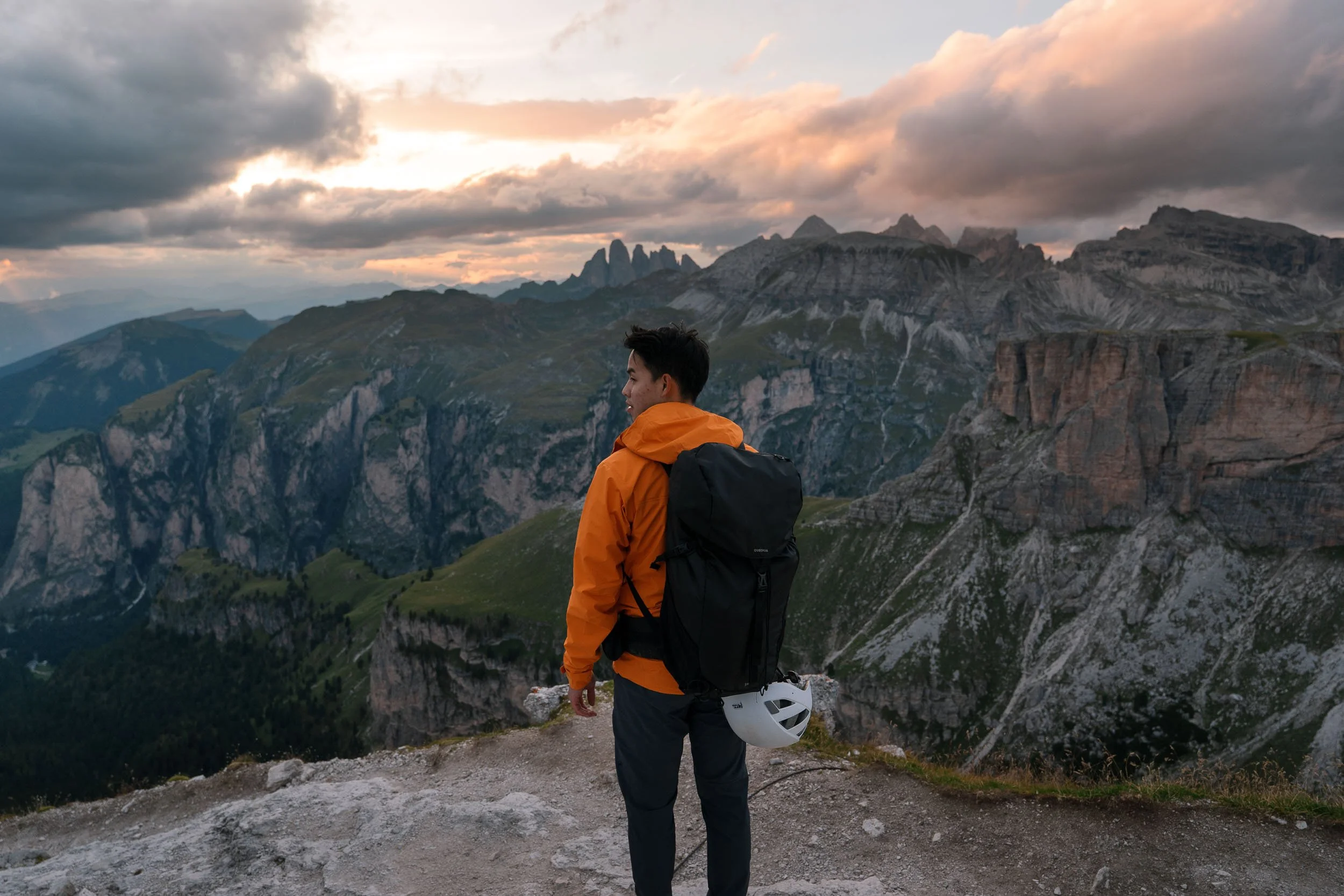
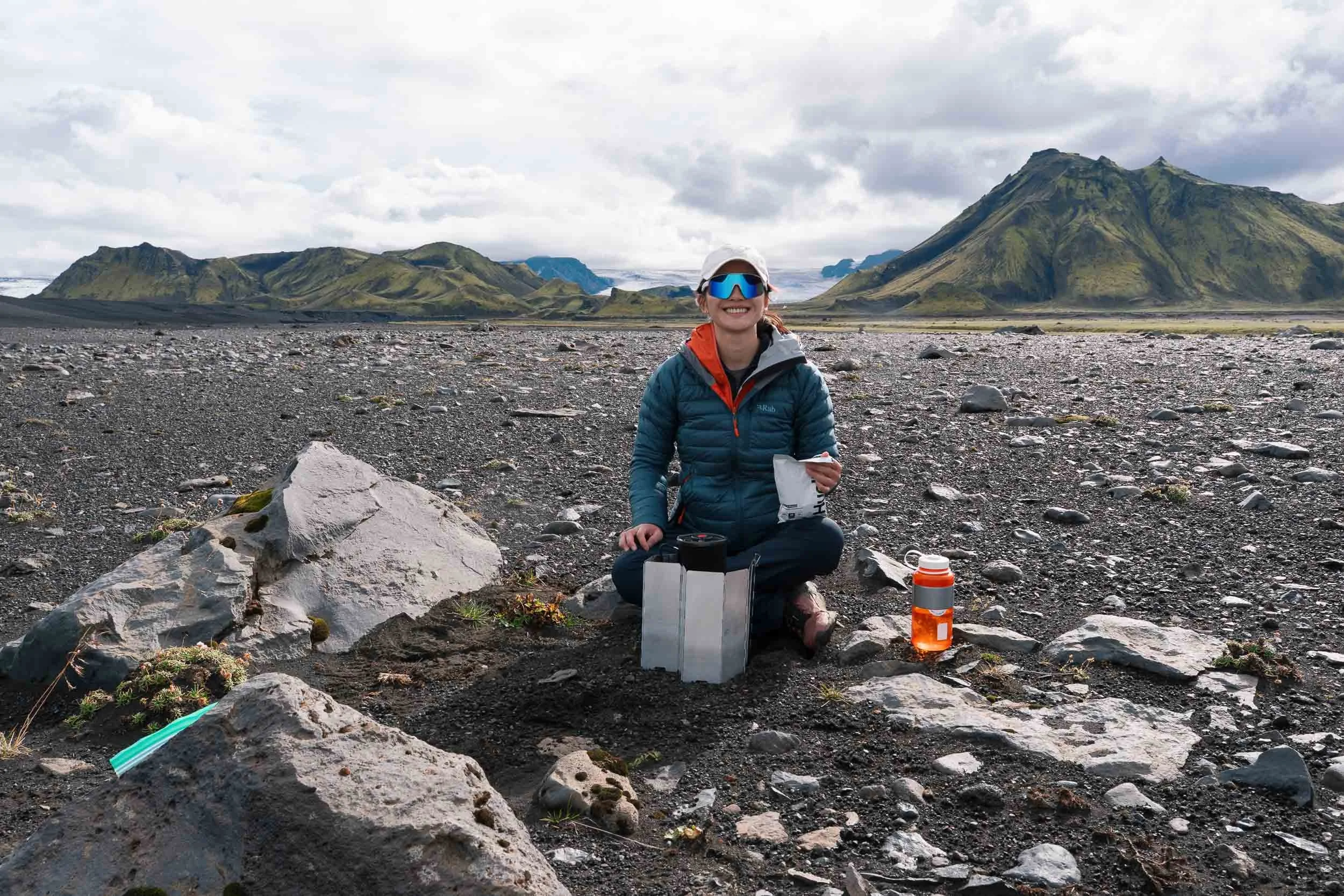
After comparing several backpacks, we decided to splurge on the Gregory Paragon — and it didn’t disappoint. It’s excellent for longer, multi-day treks, with plenty of pockets and a side zip for quick access, especially useful when we’re taking cooking stoves or drones in and out of the pack throughout the day. The back and hip support system is extremely comfortable plus, the “blood orange” color looks fantastic.
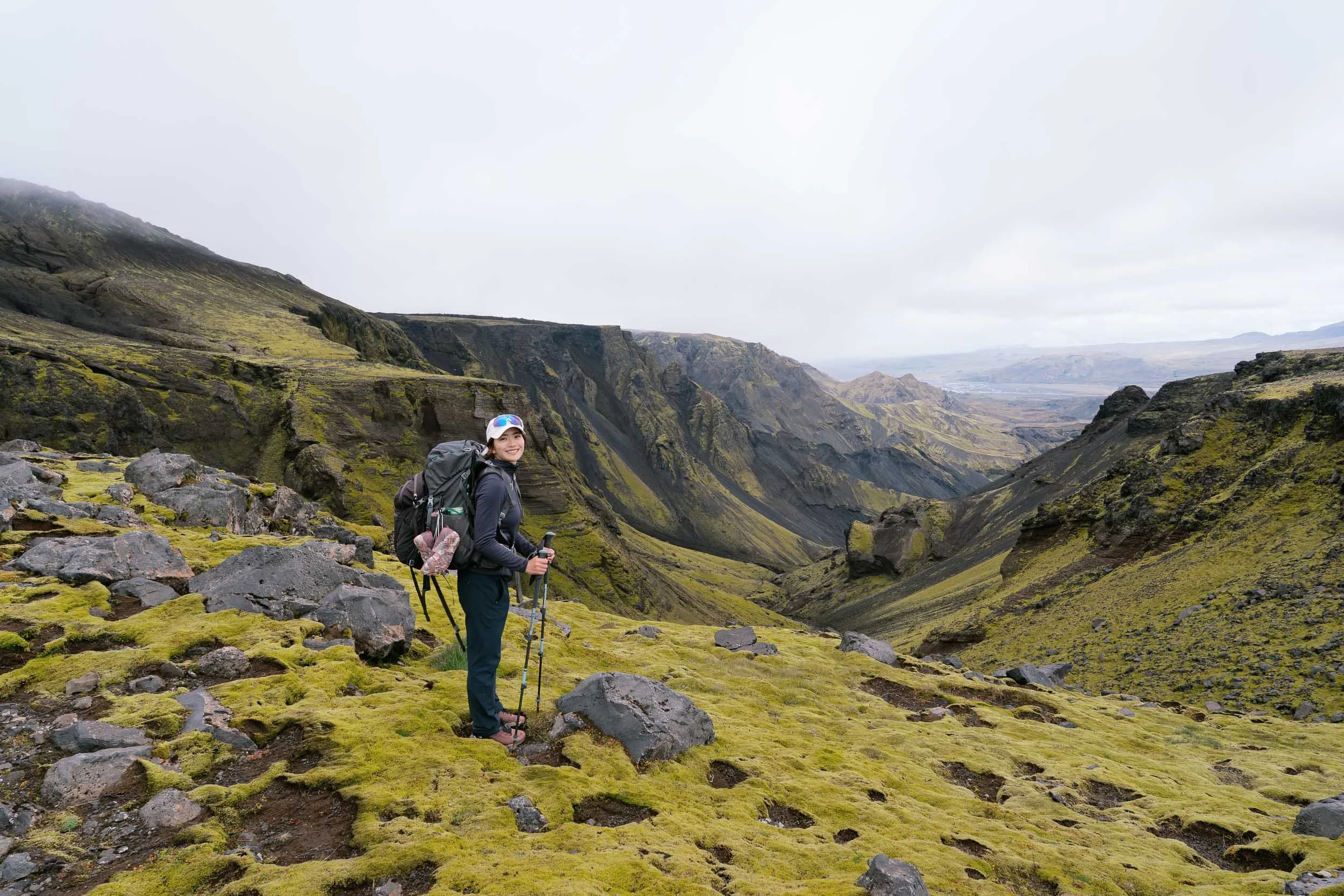
Osprey Renn 50L (Viv’s pack)
Durable, practical, and backed by Osprey’s lifetime guarantee. It is minimal but a great entry-level option for people getting into multi-day trekking.
Footwear
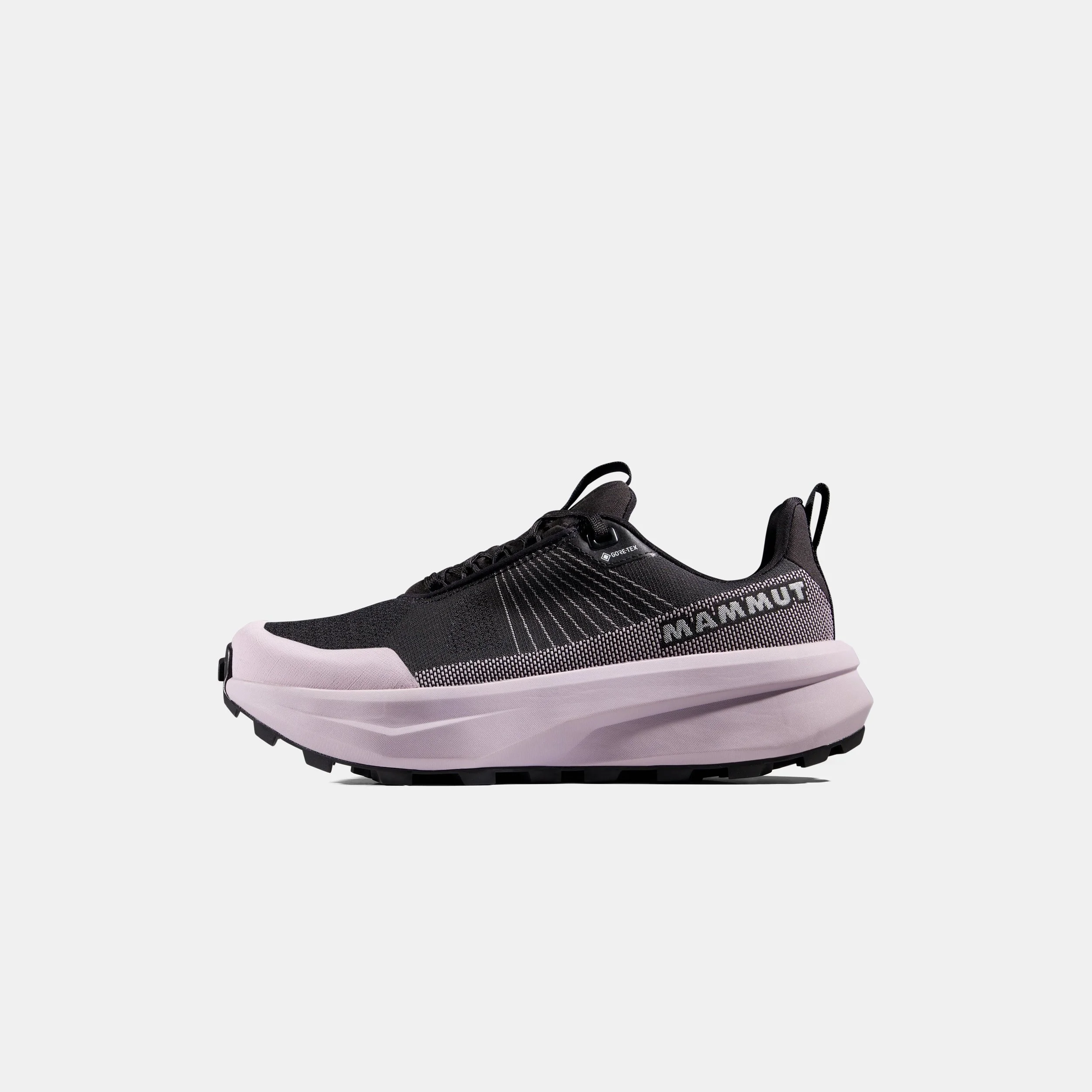
Mammut Aenergy Mtn Low GTX (Viv’s Pick)
We wanted waterproof Gore-Tex, Vibram soles for wet conditions, and a design that looks good beyond hiking. The Mammut Energy ticks all the boxes.
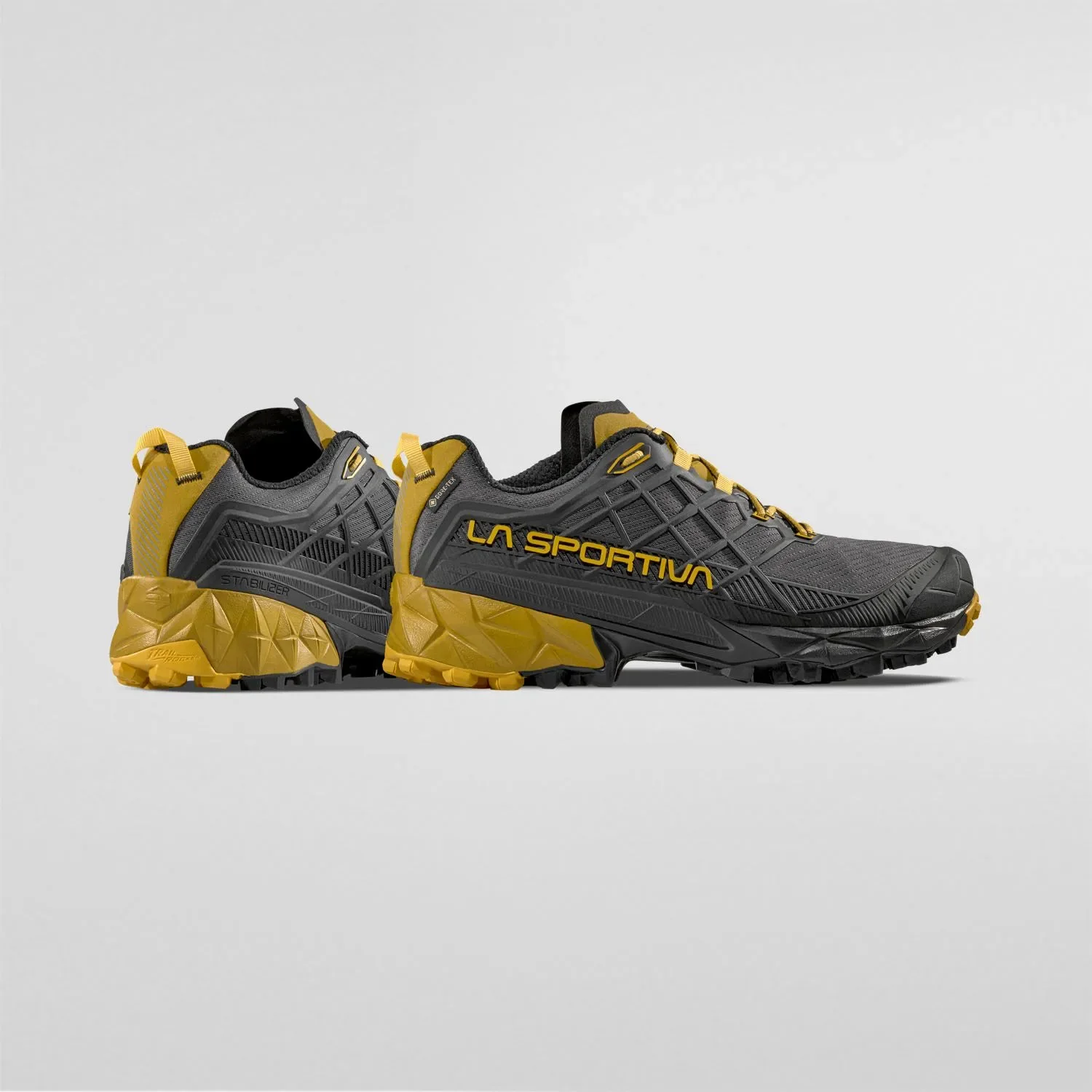
La Sportiva Akyra II GTX (Kev’s Pick)
You can’t really go wrong with La Sportiva. They’re known for excellent hiking and mountaineering footwear. We love that the sole includes a “climbing zone” at the toe, making it suitable for technical routes, via ferrata, and scrambling.
Jackets & Layers
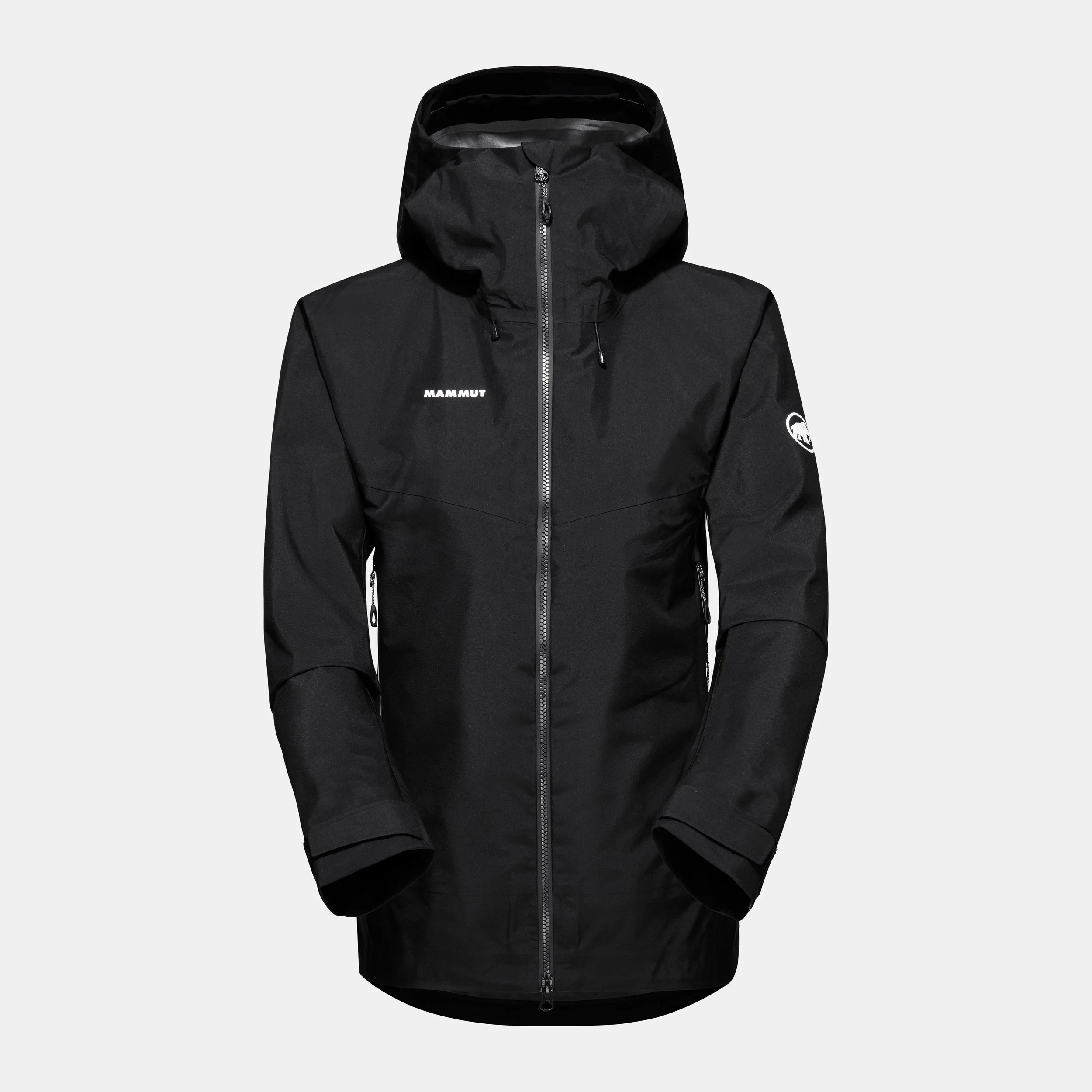
Mammut Crater IV HS Waterproof Jacket
Mammut is known for their top-tier mountaineering gear. The jacket is durable, high-quality, and timeless — built to last for years.
Montane Phase Lite Waterproof Jacket
Highly breathable, versatile lightweight 3-layer waterproof jacket for all sorts of hiking activity from day hike to multi-day treks.
Rab Microlight Alpine Down Jacket
Lightweight, warm, and compressible, great versatile piece from walks to alpine conditions. They go on sale in major UK retailers quite often so you can often get them at a discounted price.
Unbound Merino
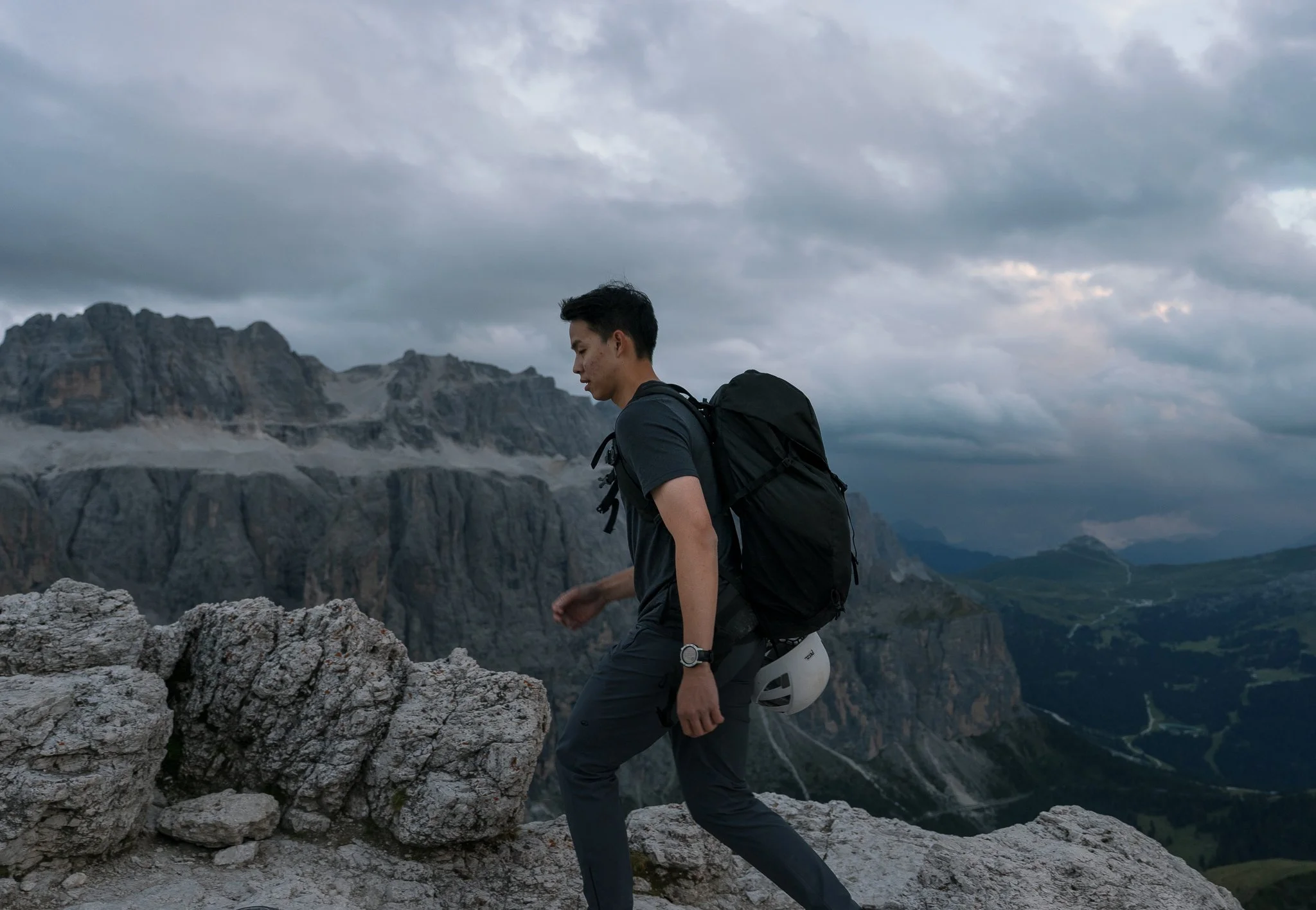
100% merino wool base layers. Unbound Merino is not a hiking-specific brand, but they have exceptional quality. Their pieces can be worn outside of hiking even for work, they are versatile, high-quality and will be odor-resistant even after days of hiking.
Pants & Trousers
Arc’teryx Beta Pants
Gear that looks good and also performs well. Arcteryx isn’t typically known for their value, but we got them half-priced, well worth the price we paid and a great long-term investment piece.
Quechua MH500 Light Hiking Trousers
Our value pick - we are amazed by how affordable and goof these hiking trousers are from Decathlon. They are great for summer hikes, and we also use them for climbing, bike commuting and everyday use. They are lightweight, stretchy and comfortable.
Accessories
Hydrapak Flux 1L
We always carry a water filter to prevent illness. The hydrapak has a collapsible design which saves space and ensures safe drinking water on the trail.
Black Diamond Trail Trekking Poles
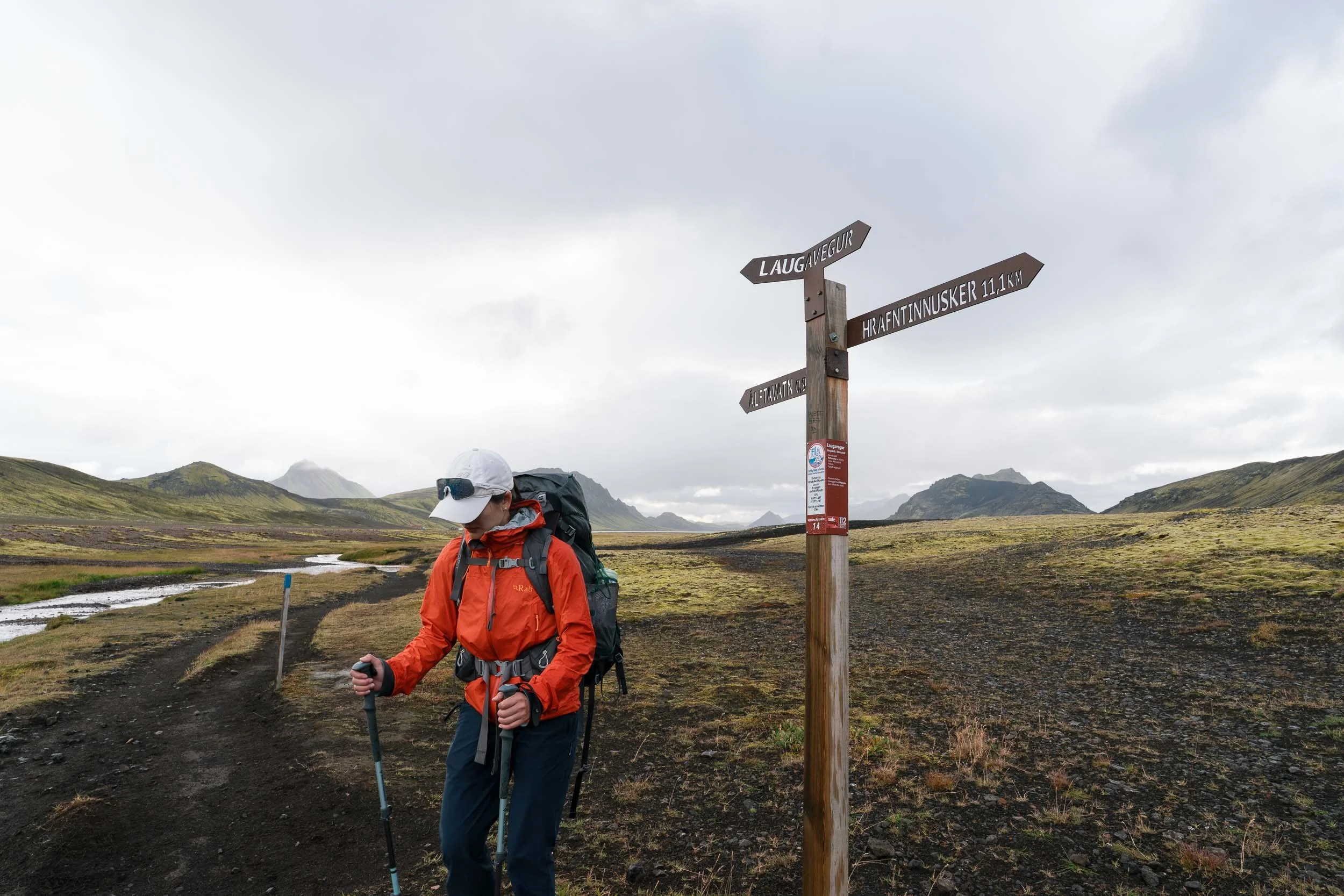
These are great value trekking poles which are lightweight and extremely durable. They have saved our knees many times and essential for multi-day treks and walking in snow.
Petzl Actik®
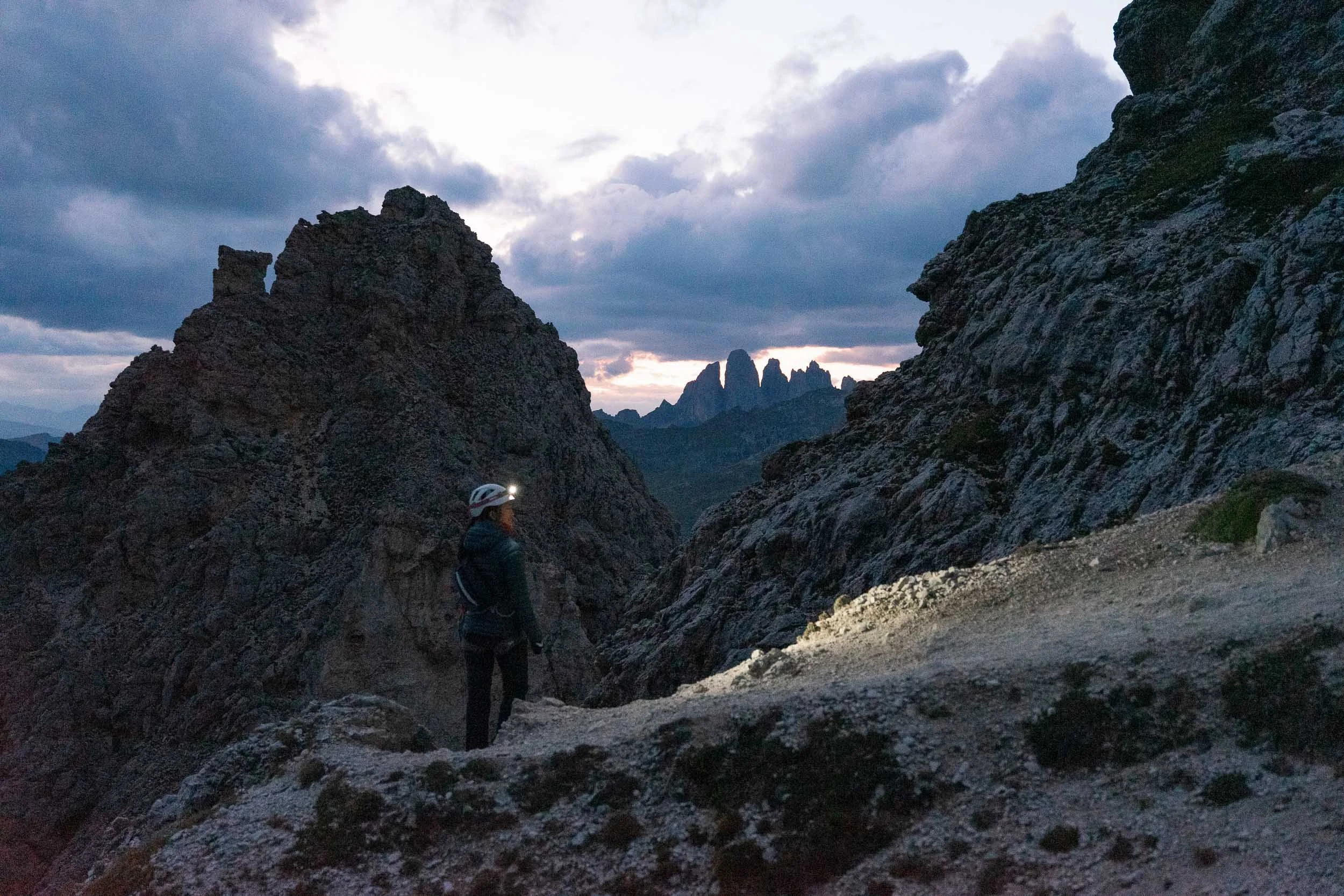
We pick these headlamps because they are the most affordable option which still has all the features we want: multiple brightness levels, red light mode, and USB rechargeable option, and we know equipment from Petzl is reliable.
Peak Design Capture Clip
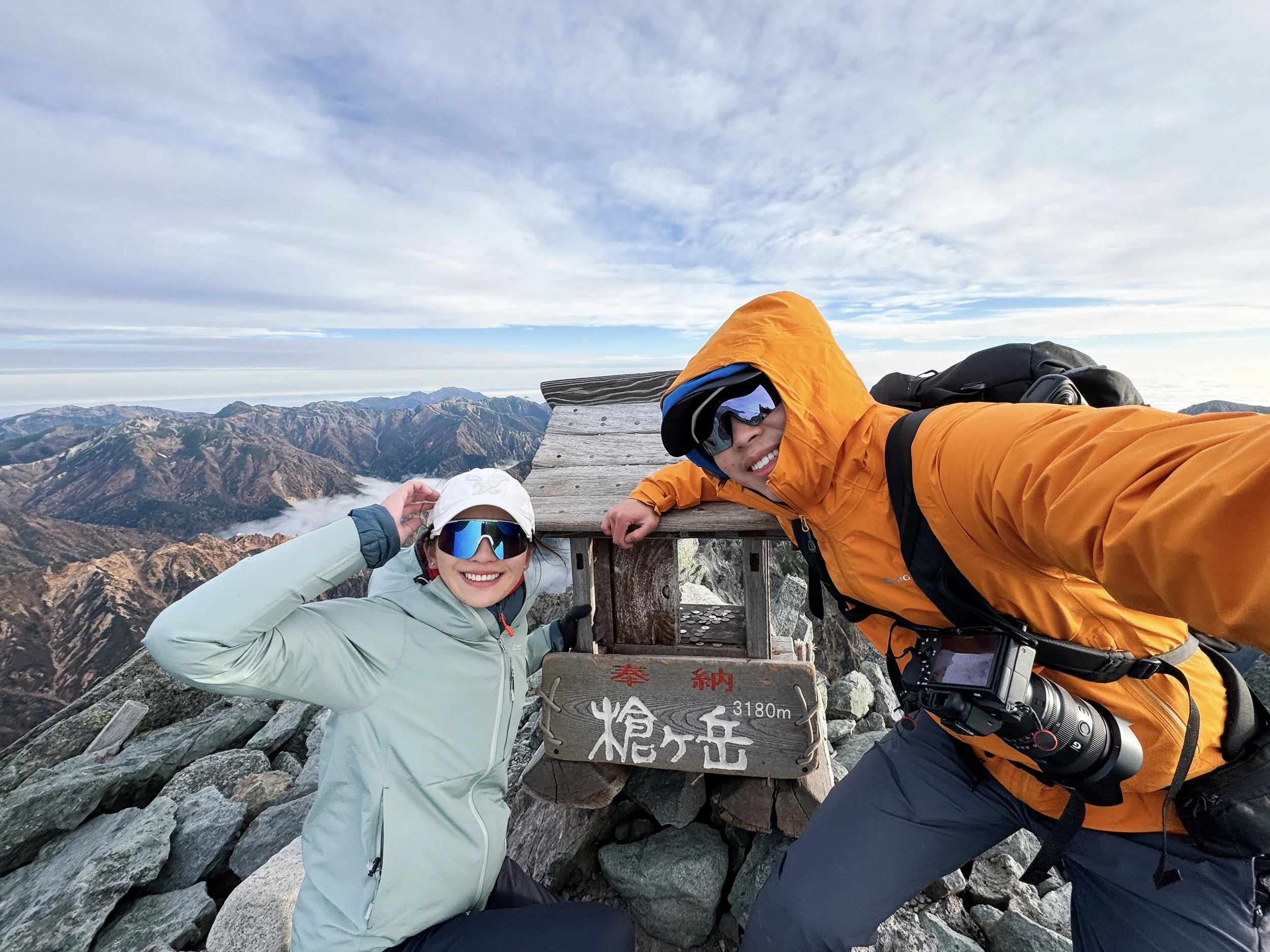
Life-changing for Kev, who takes photos on every hike. Eliminates the hassle of digging into your backpack for your camera. We even mount our Insta360 while scrambling or on via ferrata for POV shots.
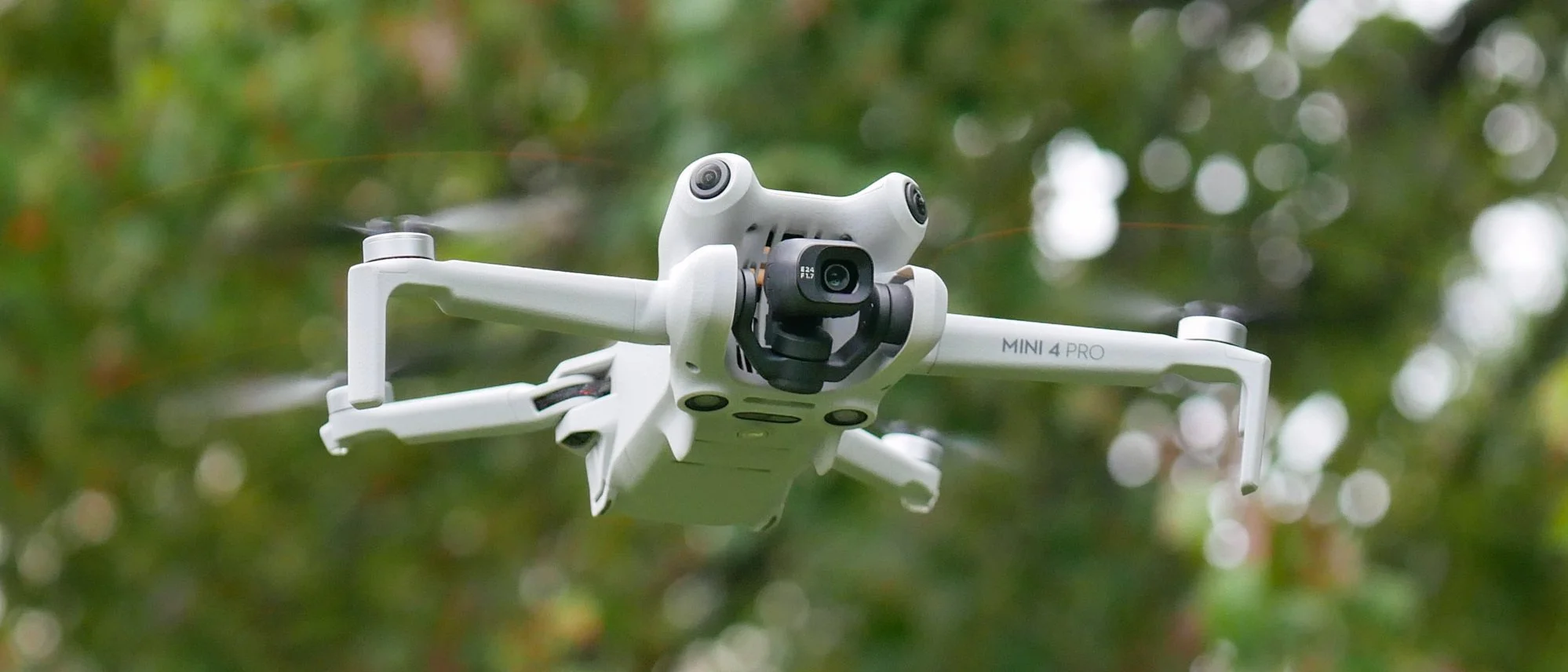
DJI Mini 4 Pro
Its worth the extra 1kg in your pack — you won’t regret it. Seeing the mountains from above gives you a completely different perspective and appreciation. The DJI Mini series is truly game changer due to its weight and convenience.
We hope this guide helps you choose gear wisely, enjoy your hikes more, and build a kit that lasts for years. If you’d like to see every single piece of gear we own, download our packing toolkit here, where we share all our recommendations. At the end of the day, picking the right gear is about balancing quality, function, and what you actually need.
Support Our Adventures!
Hi there! If you found our guides helpful, please consider using our affiliate links below when booking your next trip. It comes at no extra cost to you, but it helps us keep creating these resources. Thank you so much for your support!
Flights & Hotels: Book your stay with Trip.com
Car Rentals: Find the best rates via Discover Cars
Alltrails: Sign up with vivchow30 here to get 30% off today!
Have a specific question about your upcoming trek? Drop us an email or send a DM to @vivchowvals we’d love to help!
If you’ve enjoyed our content, you can treat us to a ‘virtual’ coffee here.
