
The “All You Need” Packing Toolkit for Every Hiking Adventure
Packing for a trek isn't just about throwing clothes into a bag, it’s about building a system that adapts to the specific nature of each hike you go on. We’ve developed this toolkit to help us (and hopefully you) pack precisely and stay organized before every trek.
This is the exact packing list we use, ensuring we always bring the right gear for every hike. By using a “tick” system, if a piece of gear doesn’t meet the specific criteria for the season, altitude, or terrain, it stays home. We hope this toolkit becomes a valuable addition to your hiking resources, helping you navigate the complexities of gear selection when starting out.

A quick summary of the layering system:
Base layer: Manages moisture. We recommend merino wool; it’s lightweight, warm even when wet, and naturally odor-resistant.
Mid layer: Traps body heat. Usually a technical fleece that offers insulation without restricting movement.
Insulated layer: Provides warmth during rest or in extreme cold. Usually made from down or synthetic fill.
Shell: The most critical protection against rain, snow, and wind. We use materials like Gore-Tex to keep you dry while remaining breathable.
We’ve also included our personal recommendations — the gear we trust and purchased with our own money. We have a separate post covering all our favourite gear and the thought process behind how we choose it. Click here to explore our favourite gear of 2026.
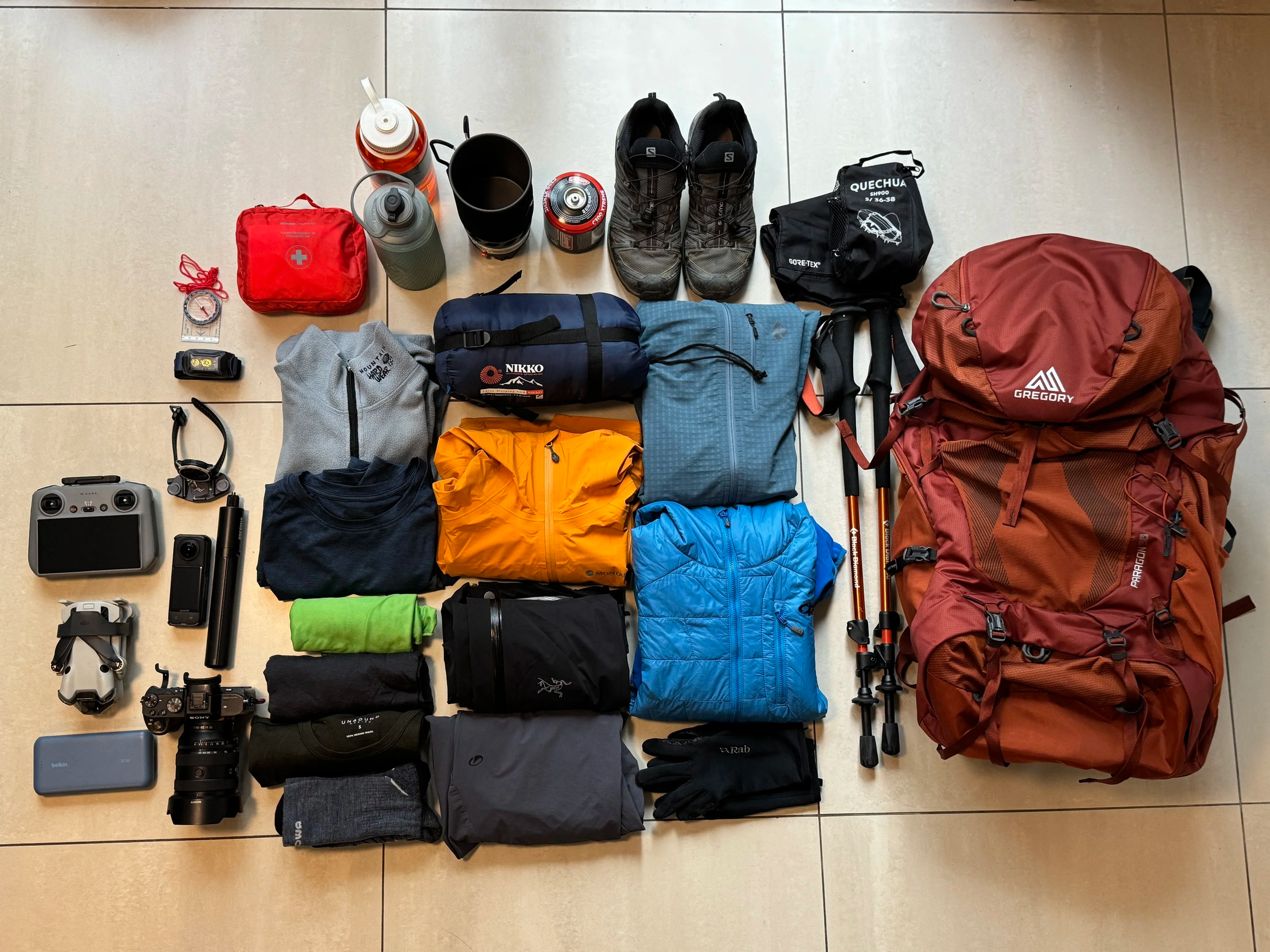
The foundations of a timeless capsule hiking kit
Click here to download a copy of our Packing Toolkit
Before You Start Packing
Before you start packing (or consider buying new gear), ask yourself these five critical questions to determine what needs to go in your pack:
1. What Is the Season?
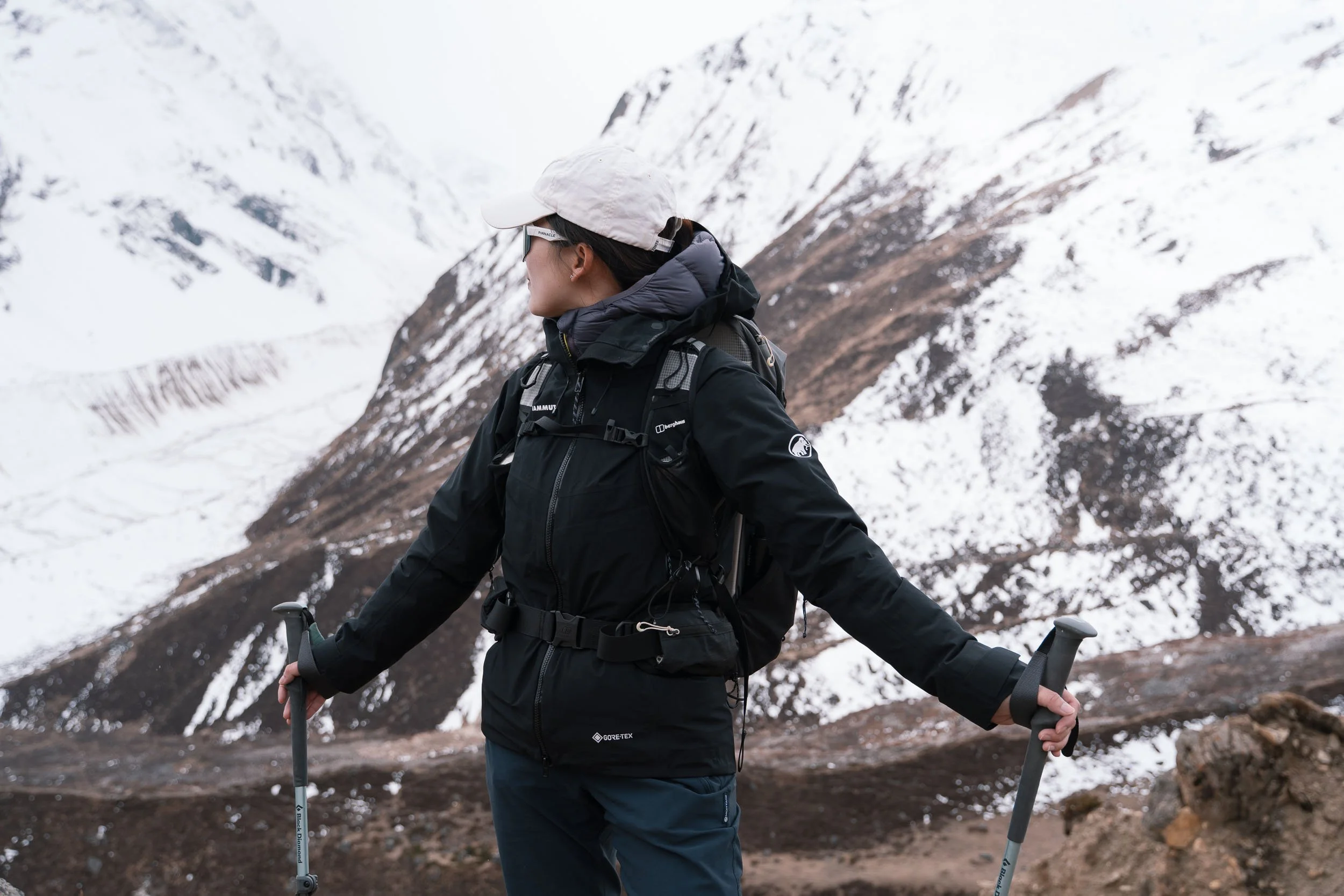
The time of year dictates your layering system. A summer hike might only require a light merino T-shirt and a waterproof layer, while a winter trek demands a thick insulation layer, such as our Rab down jacket, and a heavy-duty waterproof shell like the Mammut Crater IV that we wear.
2. What Is the Altitude?
For treks below 3,000m (9,842 ft), the climate is milder, and you can often get away with a three-season sleeping bag. However, once you cross that 3,000m (9,842 ft) threshold, temperatures drop significantly even in summer.
The Golden Rule of Altitude: Temperature typically drops 6°C for every 1,000m (3,281 ft) of elevation gain. Even if it is 30°C (86°F) at sea level, it can plummet to 0°C (32°F) at 5,000m. Always pack for the summit, not the trailhead.
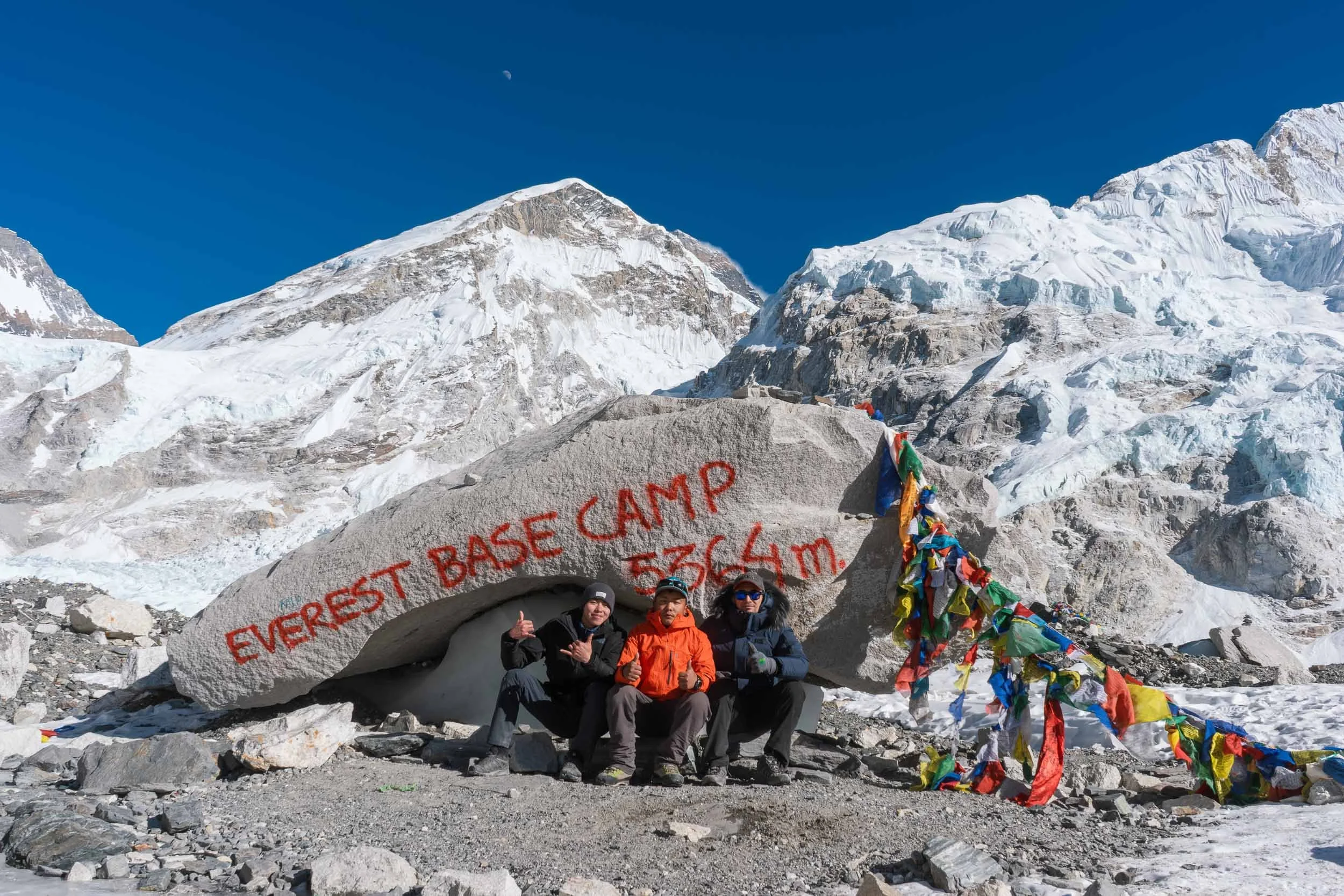
3. How Many Days Are You Hiking?
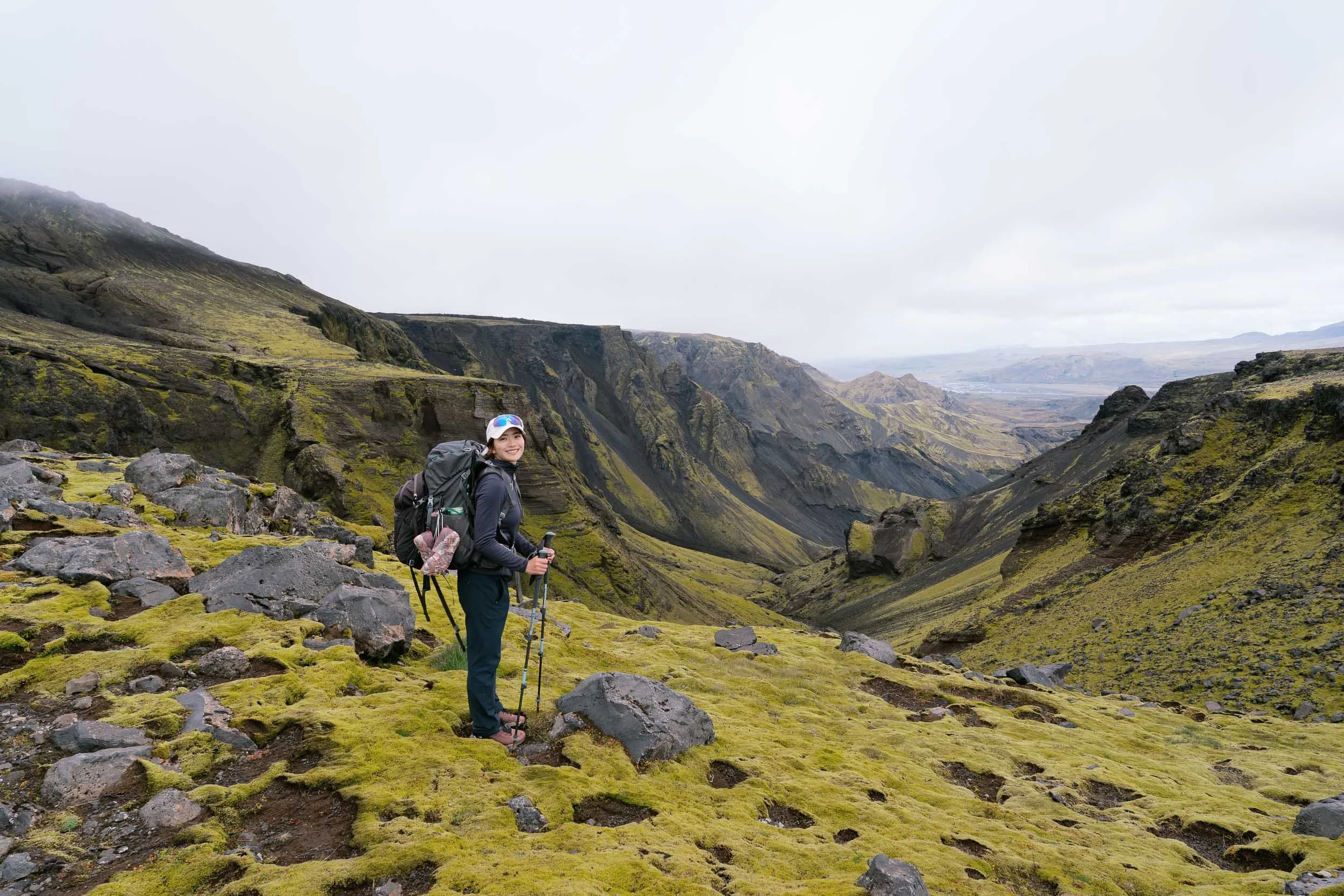
For day treks or short multi-days, keep it light with a daypack between 20–35L. Trekking poles are optional since you’ll be hiking on fresh legs, perhaps ultra-lightweight folding poles are sufficient. However, for multi-day treks, we highly recommend sturdier poles like the Black Diamond Trail Trekking Poles. Fatigue will come into play, and you’ll rely on them much more. Multi-day treks require a larger pack to accommodate “hut gear” like sleeping liners, extra merino layers, and toiletries. We opt for the Gregory Paragon 58 for multi-day hikes, and it has never failed us.
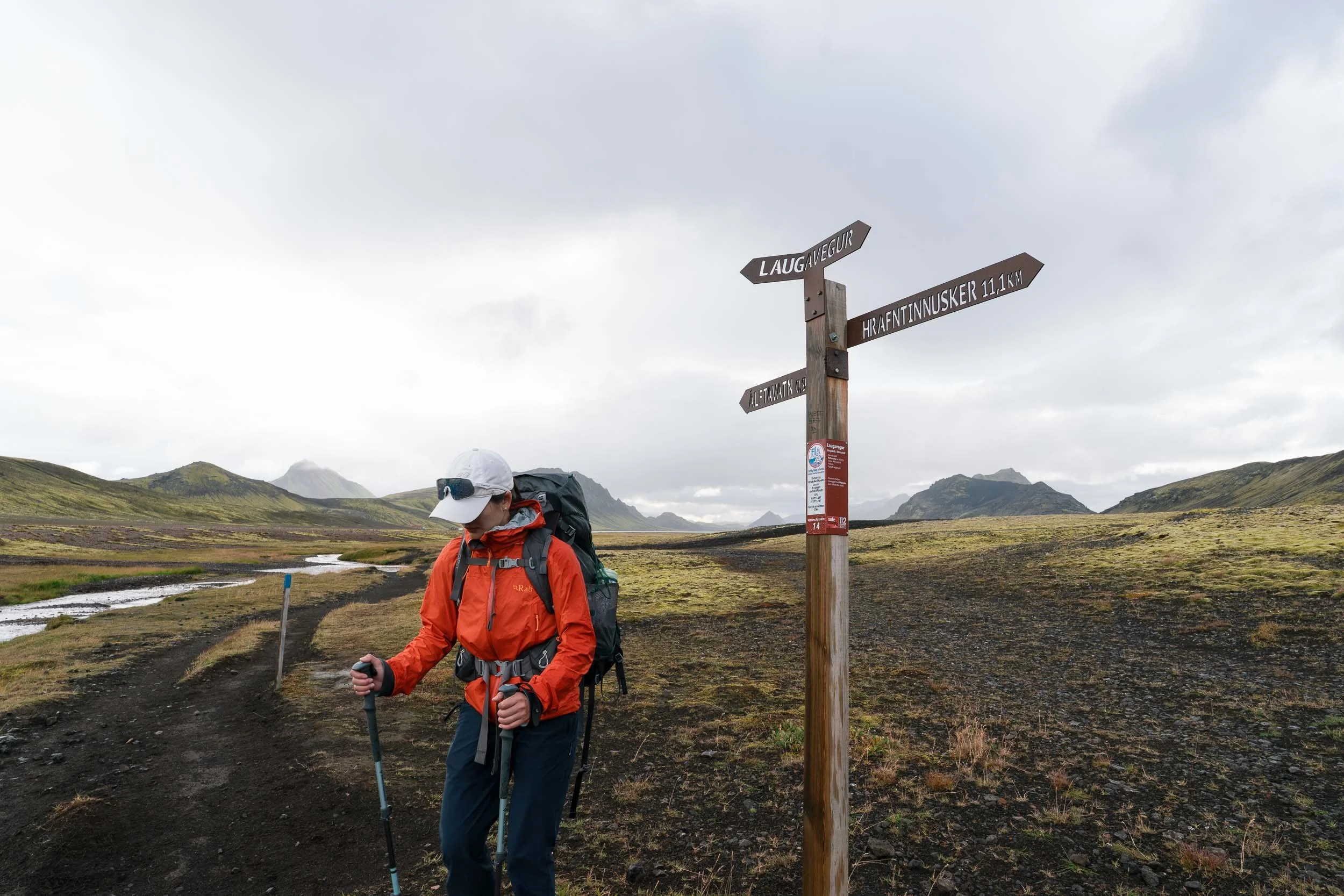
4. What Are the Hut Facilities?
Your food and cooking gear depend entirely on your destination. In the Alps (like the Dolomites) or Nepal, huts often provide food, allowing you to pack lighter.
In places like Iceland’s Laugavegur, huts have kitchens, but you must carry your own food and cook using your own stove.
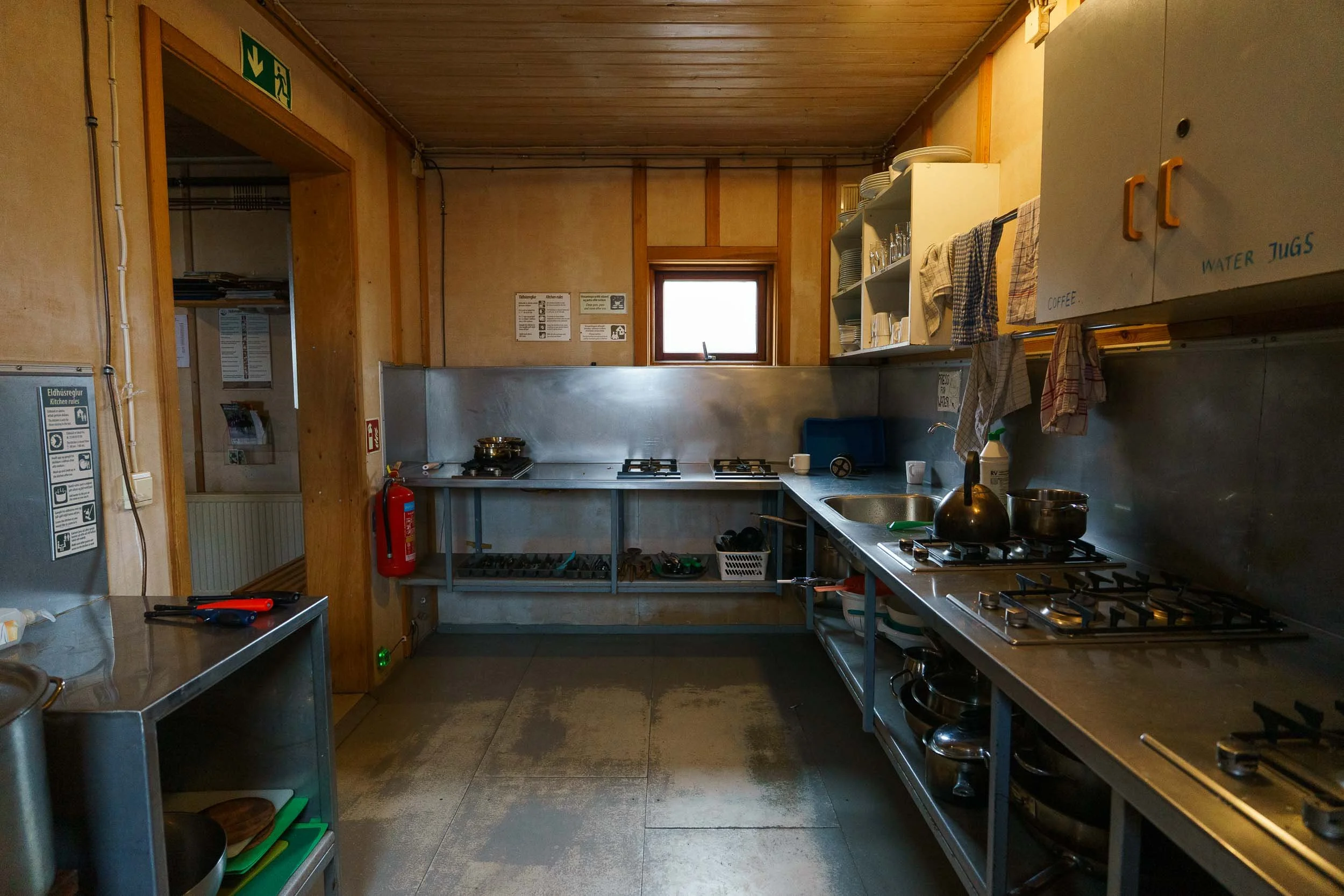
Mountain huts in Iceland have self-served kitchens but has no catering offered
5. What Is the Terrain?
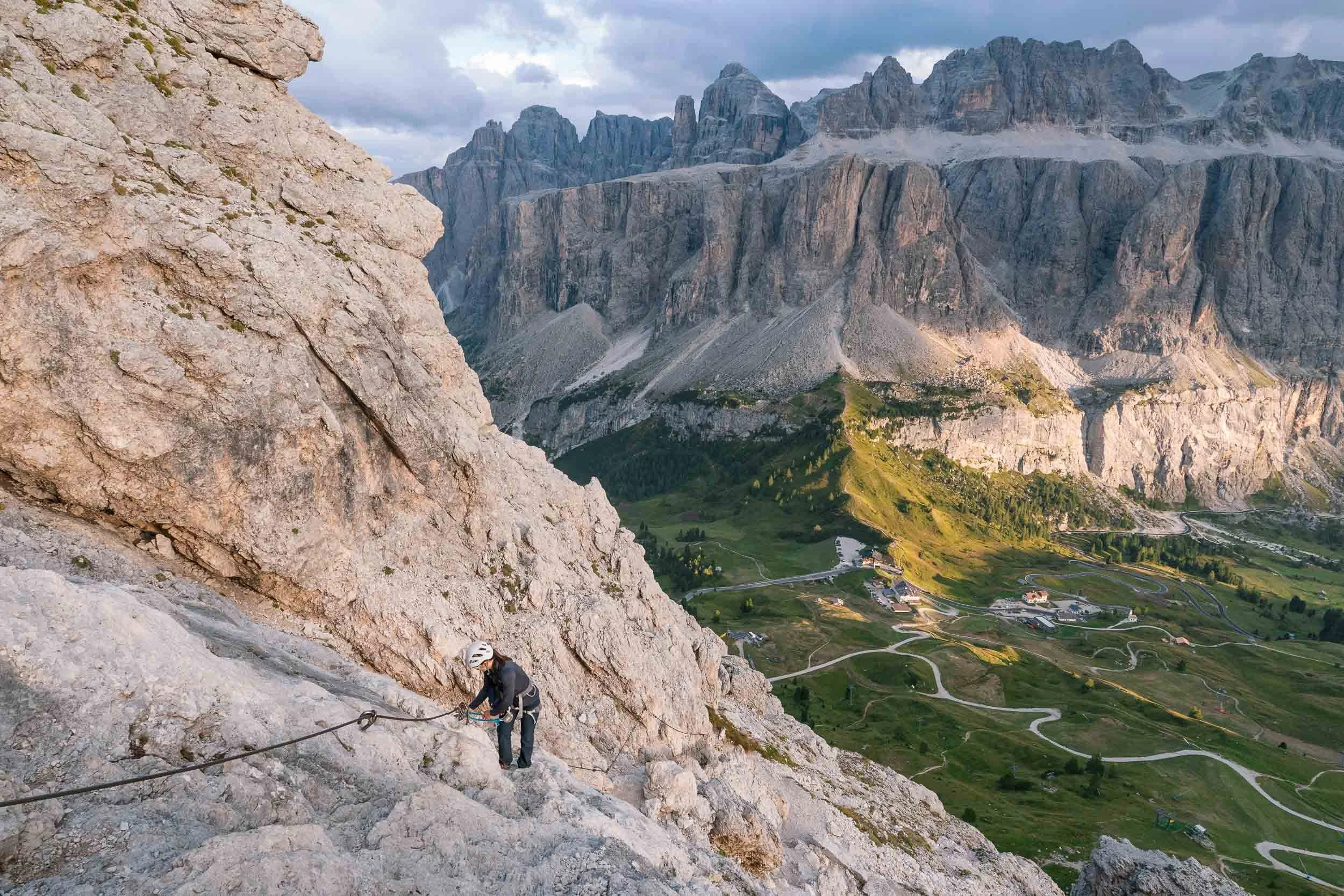
Does the route include via ferrata section? You’ll need a climbing helmet, harness, and lanyards. For high-altitude or winter hiking, crampons or an ice axe might be necessary. Always research your route and check trail conditions beforehand. We use AllTrails for this, the app allows you to preview the route from start to finish, and you can view photos shared by other hikers to get up-to-date trail conditions.
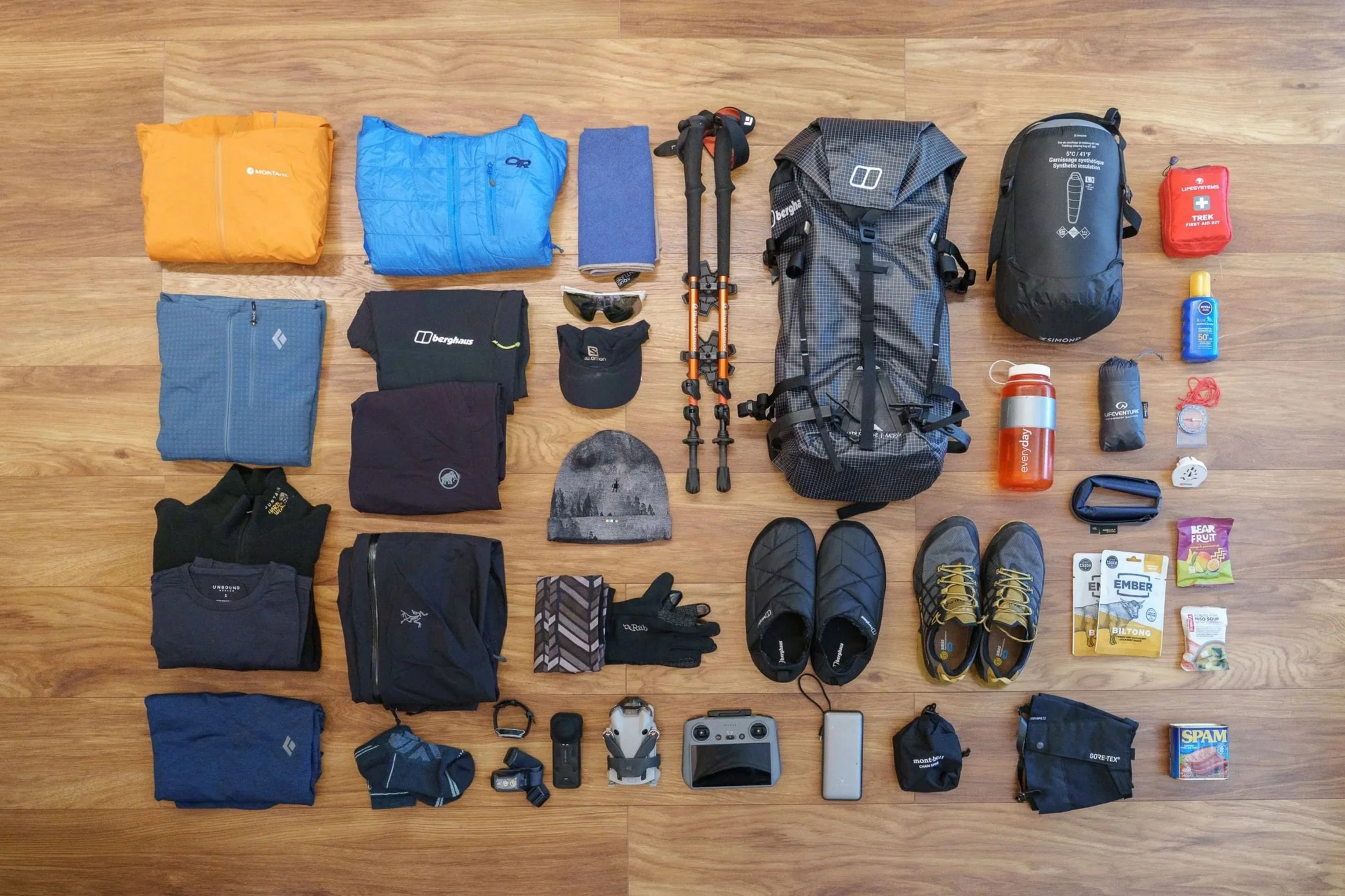
The Essentials: Ticked for Every Trip
Regardless of the trek, we always bring these items:
Safety & Navigation
GPS / Offline Map (Alltrails)
Emergency First Aid Kit + Reflective emergency blanket
Weather Protection
We would argue that your hardshell is the most important piece of gear you own. Weather in the mountains is unpredictable, and a reliable hardshell is essential for every hiker. Having owned many rain jackets over the years, we still find Gore-Tex the most durable and reliable under heavy, persistent rain. We currently wear the Mammut Crater IV HS (Viv) and the Montane Phase Lite (Kev) as our waterproof layers.
Unexpected Terrain
We always keep microspikes in our packs. We find them helpful when we encounter patches of snow or need extra grip on wet, muddy descents.
Now you’re ready for your next trek - click here to download a copy of our Packing Toolkit.
Support Our Adventures!
Hi there! If you found our guides helpful, please consider using our affiliate links below when booking your next trip. It comes at no extra cost to you, but it helps us keep creating these resources. Thank you so much for your support!
Flights & Hotels: Book your stay with Trip.com
Car Rentals: Find the best rates via Discover Cars
Alltrails: Sign up with vivchow30 here to get 30% off today!
Have a specific question about your upcoming trek? Drop us an email or send a DM to @vivchowvals we’d love to help!
If you’ve enjoyed our content, you can treat us to a ‘virtual’ coffee here.

Northern Lights Hunting in Tromso, Norway