
Everything you need to know about hiking the Alta Via 1 in the Dolomites
The Alta Via 1 (AV1) will forever hold a truly special place in our hearts. Not only was it our first multi-day trek together as a couple, it was also the trip where we got engaged. We still remember the dramatic limestone towers, glowing sunsets over the pale Dolomite peaks and those quiet mornings when life became very simple: wake up, hike, eat, sleep, repeat. If we could go back and do the whole thing again, we would.
The AV1 is one of the most famous hut-to-hut trekking routes in the Italian Dolomites. The classic route runs for around 125 km from Lago di Braies in the north to Belluno in the south, crossing high mountain passes, limestone plateaus, forests and some of the most spectacular landscapes in the Dolomites.
But despite its reputation, the AV1 isn't a technical mountaineering route. The standard trail can be tackled without climbing experience or via ferrata equipment, making it a popular choice for hikers looking to take their first step into multi-day mountain trekking.
That doesn't mean it's easy. You'll still be walking for several hours a day, climbing hundreds of metres of elevation and dealing with rocky, uneven and sometimes exposed terrain. And unlike a normal day hike, you'll be doing it repeatedly, while carrying everything you need for several days.
For us, that's what made the Alta Via 1 such a memorable introduction to hut-to-hut trekking. We didn't need to carry a tent or cook our own meals. Instead, each day ended at a mountain rifugio, where we'd eat a hot meal, meet other hikers and wake up the next morning ready to do it all over again.
In this guide, we'll cover everything you need to know about hiking the Alta Via 1 independently, from the route and difficulty to mountain huts, costs, transport, weather and what to pack.
Alta Via 1 at a Glance
Route : Lago di Braies → Belluno
Distance : Approximately 125 km / 78 miles
Elevation gain : Approximately 7,300 m / 24,000 ft
Duration : Around 8–12 days
Accommodation : Mountain huts (rifugios)
Difficulty : Moderate to challenging
Technical skills : Not required on the standard route
Region : South Tyrol & Veneto, Italy
The exact distance, elevation and number of days can vary depending on your chosen itinerary and any route variations.
What is the Alta Via 1?
The Alta Via 1 of the Dolomites is a long-distance hut-to-hut trekking route through the heart of the Italian Dolomites, a UNESCO World Heritage Site.
The classic route begins beside the beautiful Lago di Braies (Pragser Wildsee) in South Tyrol and gradually heads south through the Dolomites mountains before finishing near Belluno.
Rather than camping, hikers stay in mountain refuges known as rifugio. These huts provide somewhere to sleep, eat and shelter from the mountain weather, making the AV1 considerably more accessible than a traditional self-supported backpacking trip.
The route passes through a constantly changing landscape. You'll walk through forests, across high limestone plateaus, over mountain passes and beneath some of the most recognisable peaks in the Dolomites.
And that's one of the things we loved most about it. Every morning felt like a completely different mountain adventure.
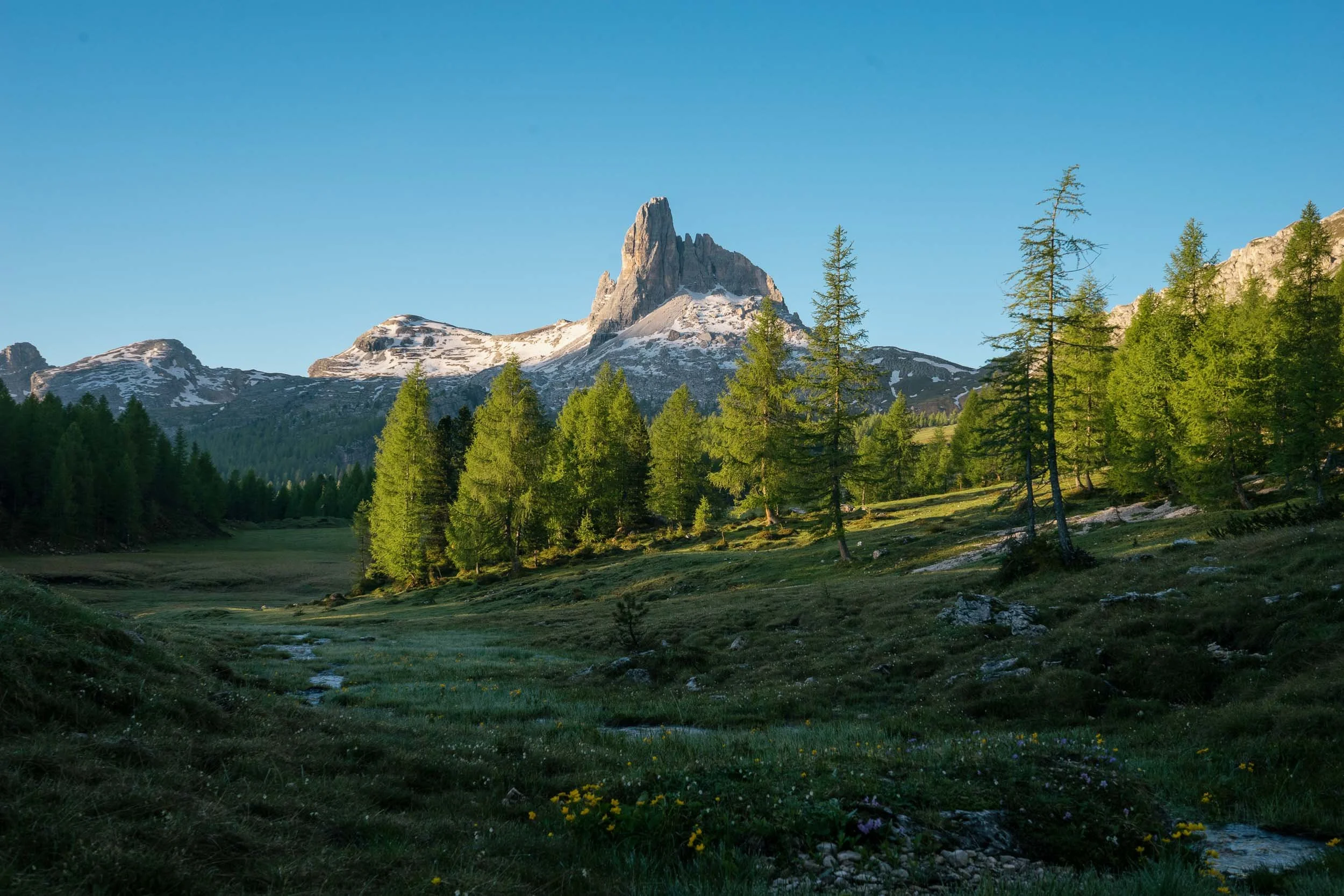
Croda da Lago
Who is the Alta Via 1 Suitable For?
You don't need to be an experienced mountaineer to hike the Alta Via 1. In fact, the AV1 was our introduction to hut-to-hut trekking. We hiked it as a group of five, and for four of us it was our first multi-day trek. Only Kev had previous multi-day trekking experience.
You don't need to know how to rock climb, use ropes or sleep in a tent. The standard AV1 route doesn't require technical mountaineering skills or via ferrata equipment. What you do need is the fitness and stamina to spend several consecutive days walking in the mountains.
Expect long days on your feet, significant elevation gain and loss, rocky and uneven paths, and sections where the trail becomes narrow or exposed. Being comfortable walking 10–15 km in a day with sustained uphill sections is a useful starting point, but the bigger challenge is being able to do it again the next day and the day after that.
If you're a city-based hiker who has mostly done day hikes and you're wondering whether you're ready to plan your first hut-to-hut trek, the Alta Via 1 can be a great start. Just don't mistake "non-technical" or “beginner friendly” for "easy."
Alta Via 1 Highlights
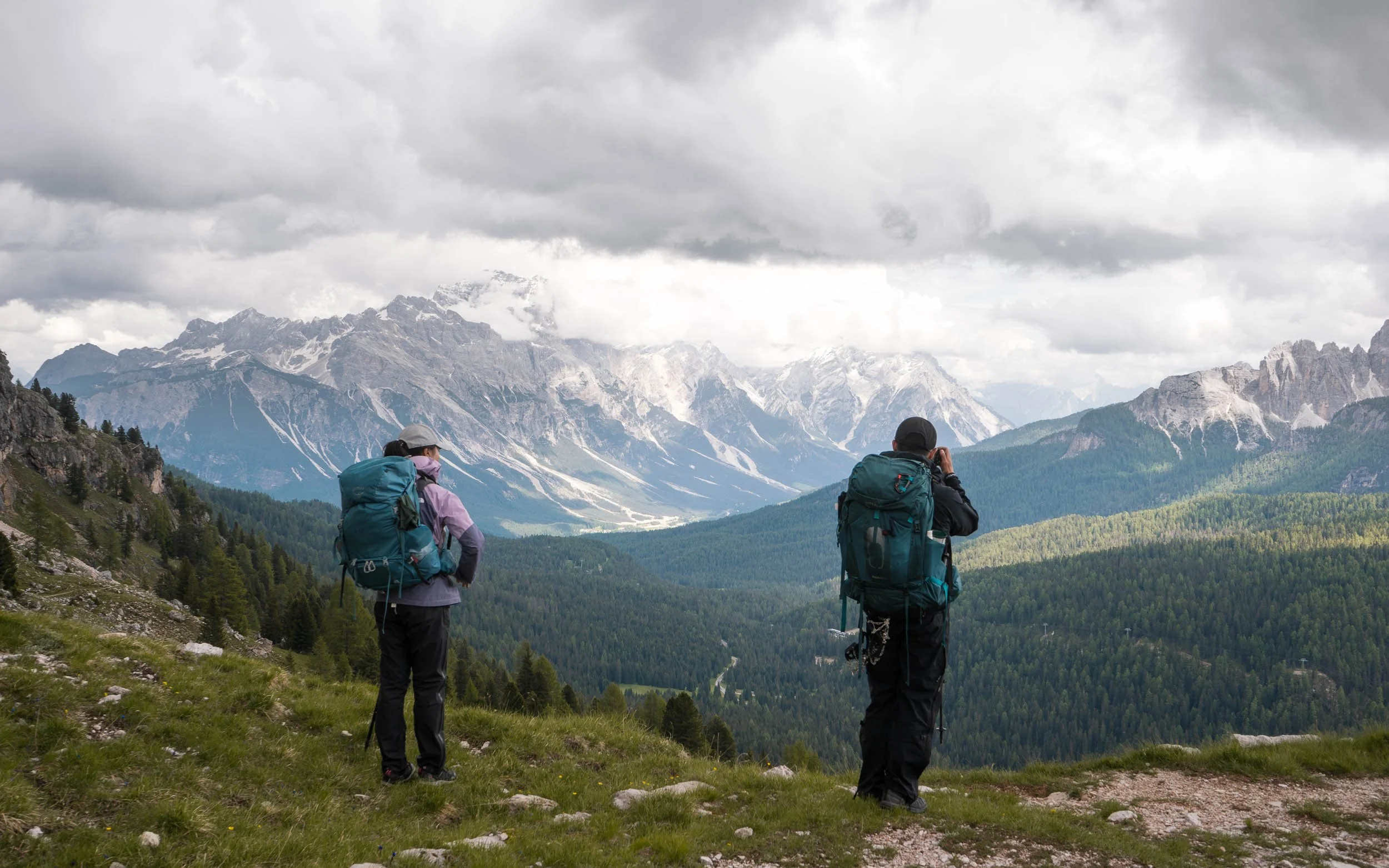
One of the best things about the AV1 is how dramatically the scenery changes from one stage to the next. A few places stood out to us more than anything else.
Lago di Braies
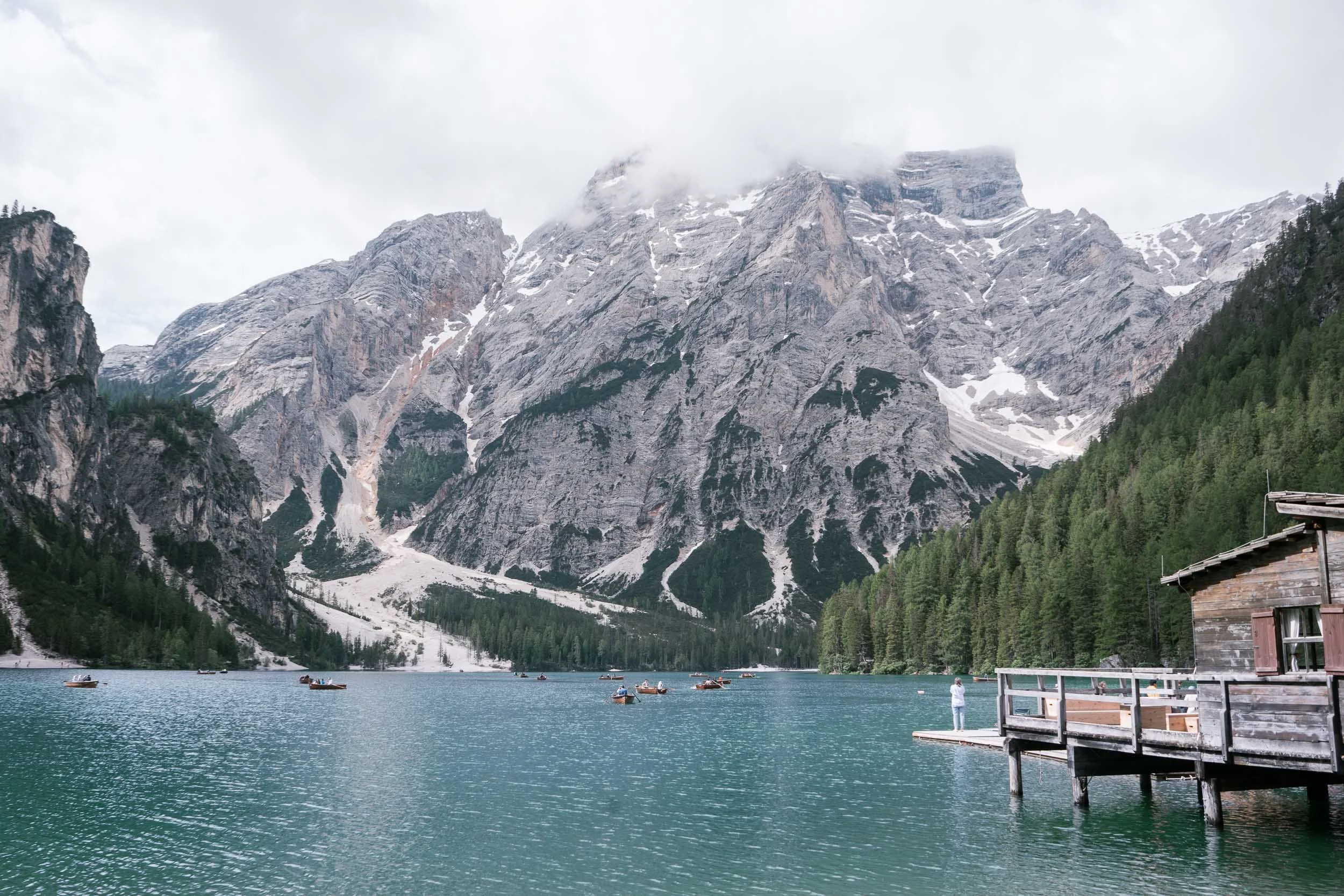
There is no grander starting point than Lago di Braies. The emerald-green lake sits beneath the towering limestone face of Croda del Becco, and starting your trek here means your first morning already feels like you've stepped into a postcard.
From the lake, the trail quickly leaves the crowds behind and climbs into the mountains.
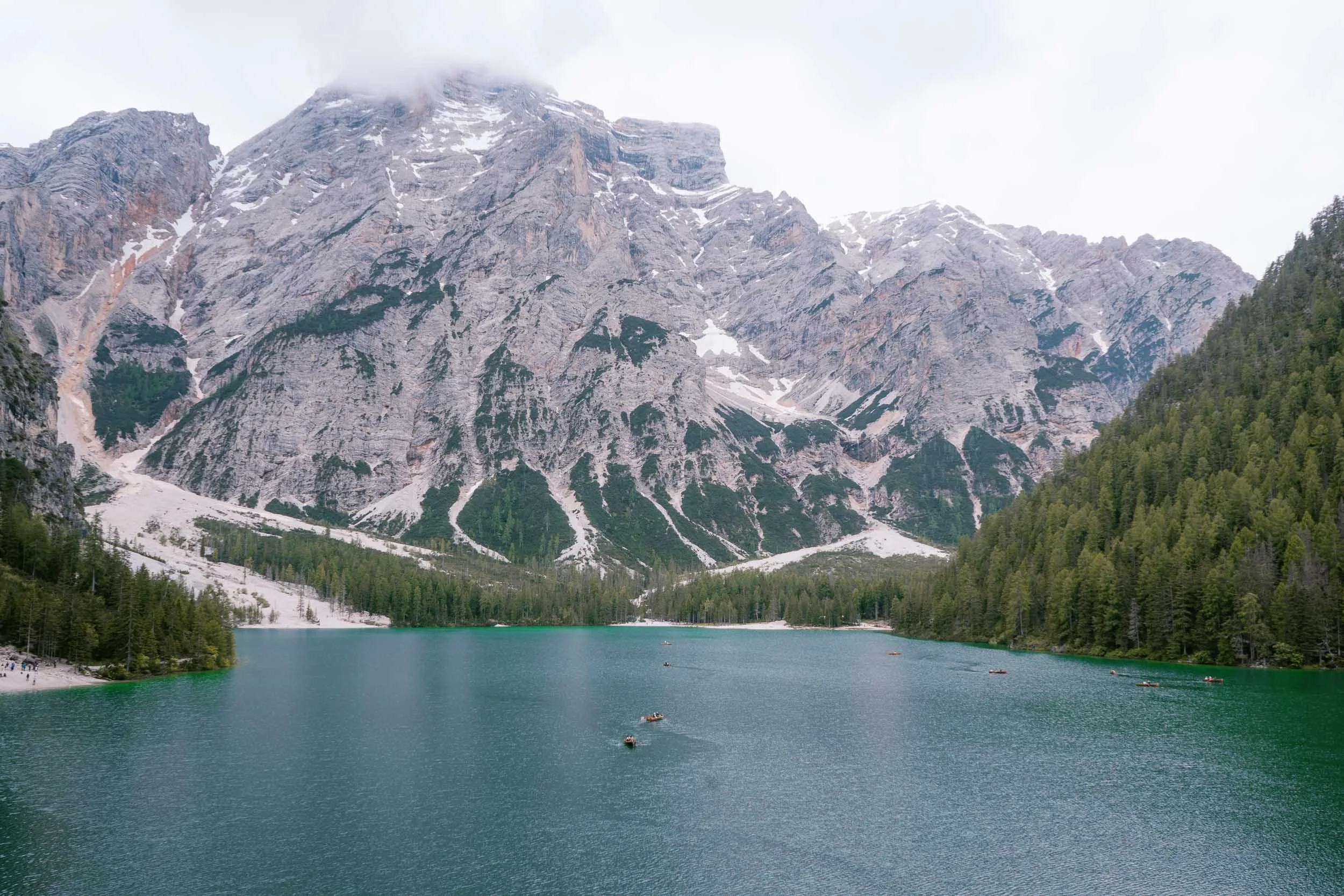
Lago di Braies
Cinque Torri
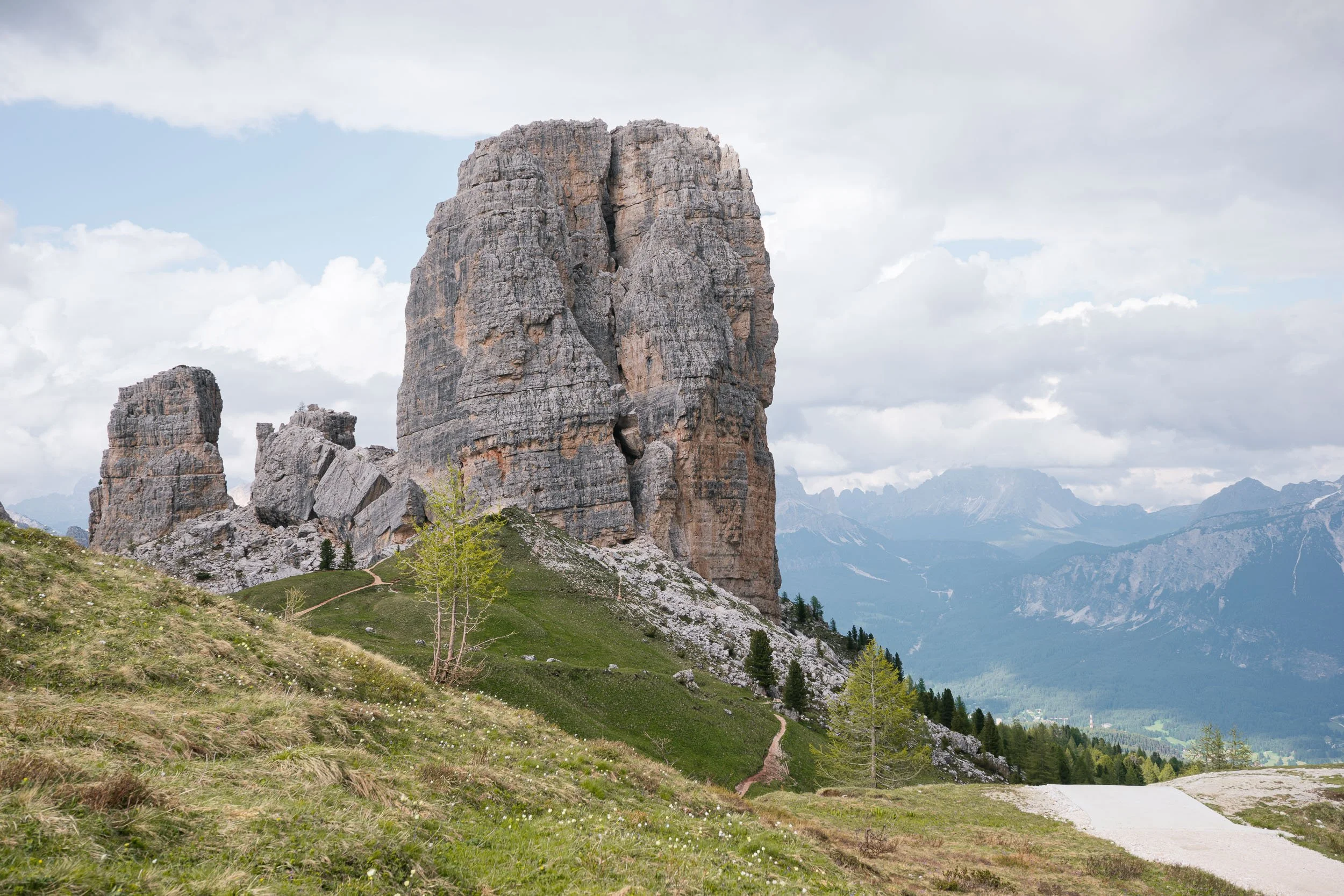
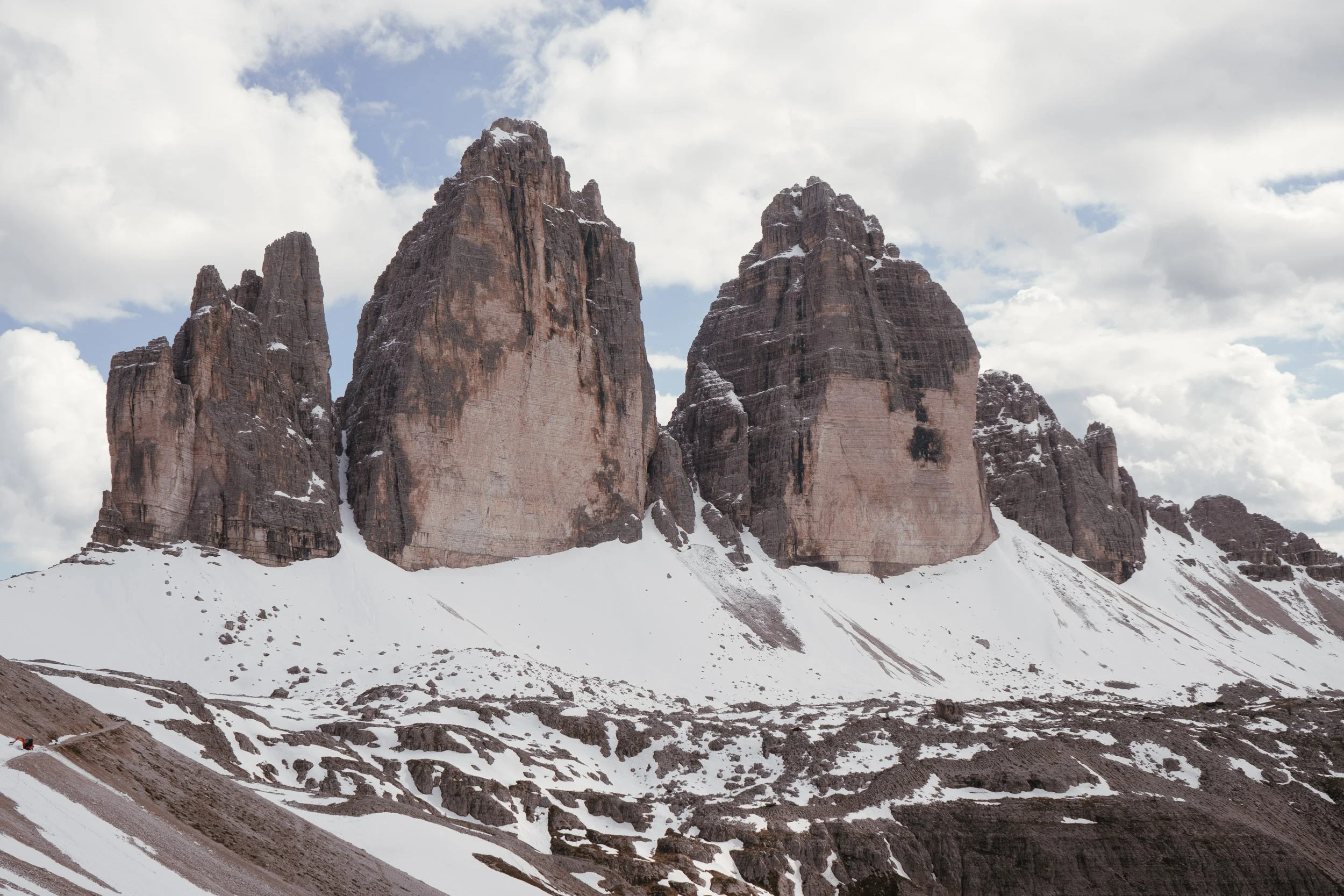
The Cinque Torri, or Five Towers, are one of the most recognisable landmarks along the Alta Via 1. But what makes this area particularly fascinating is that the landscape isn't just beautiful, it also carries a huge amount of history.
The surrounding mountains were an important World War I frontline, and today you can walk through restored trenches, tunnels and military positions while looking up at the sheer limestone towers. It is a strange and memorable combination of mountain scenery and history.
Cinque Torri and Lagazuoi
Lagazuoi
Perched high above the Falzarego Pass, Lagazuoi offers some of the most spectacular views along the entire route. The mountain is also famous for its extensive World War I tunnel system, which was carved through the rock by soldiers during the conflict.
We loved how the area combines everything that makes the Dolomites so fascinating to us: dramatic geology, mountain history and incredible views. You can explore parts of the tunnels with the appropriate equipment and conditions, or simply sit outside the rifugio with a coffee and watch the clouds move through the valleys below.
Our Favourite Day: Scotoni to Cinque Torri via Lagazuoi
If we had to pick one standout day from our entire Alta Via 1 trek, it would be Day 3, from Rifugio Scotoni to Cinque Torri via Lagazuoi.
The day isn't easy. You gain significant elevation heading towards the pass, descend again, and then climb back towards the Cinque Torri. By that point, our legs were definitely feeling the previous days.
But the combination of dramatic scenery, exposed mountain paths and World War I history made this one of those days where you forget how tired you are. Exploring the wartime tunnels carved into the mountainside and wandering through the open-air museum around Cinque Torri, surrounded by jagged limestone peaks, was something we still talk about today.
If you only had to choose one section of the AV1 to experience, this would be high on our list.
Alta Via 1 Route Overview
The classic Alta Via 1 gradually makes its way from the northern Dolomites towards Belluno.
Your actual itinerary will depend on how many days you have, which huts are available and whether you choose any alternative stages.
And this is important: the Alta Via 1 isn't necessarily a fixed itinerary.
You can adapt the length of individual stages, use different huts and take alternative routes depending on your experience, fitness and most importantly — hut availability.
How to Plan Your Direction: North to South vs South to North
The Alta Via 1 can technically be walked in either direction.
We chose to hike north to south, from Lago di Braies to Belluno, and if we were doing it again, we'd choose the same direction.
A gentler introduction
The northern stages around the Sennes and Fanes plateaus provide a useful introduction to the trail.
You're still climbing and descending plenty, but you have several days to settle into the rhythm of multi-day trekking before reaching some of the more rugged terrain further south.
The landscape keeps getting wilder
One thing we loved about walking south was how the environment gradually changed.
The northern sections can feel more developed and accessible, while the southern sections become quieter, more rugged and more remote.
A satisfying finish
Finishing in the lower Piave valley also gives you a dramatic contrast to the high mountains where you started.
For us, there was something satisfying about watching the landscape gradually change from high alpine terrain to the valley below.
Ultimately, though, there isn't one universally correct direction. The biggest factor is hut availability.
Because the rifugio operate independently, your preferred itinerary may not be available on your preferred dates. If that happens, we'd recommend adjusting your stages rather than becoming too attached to one perfect itinerary.
How Difficult is the Alta Via 1?
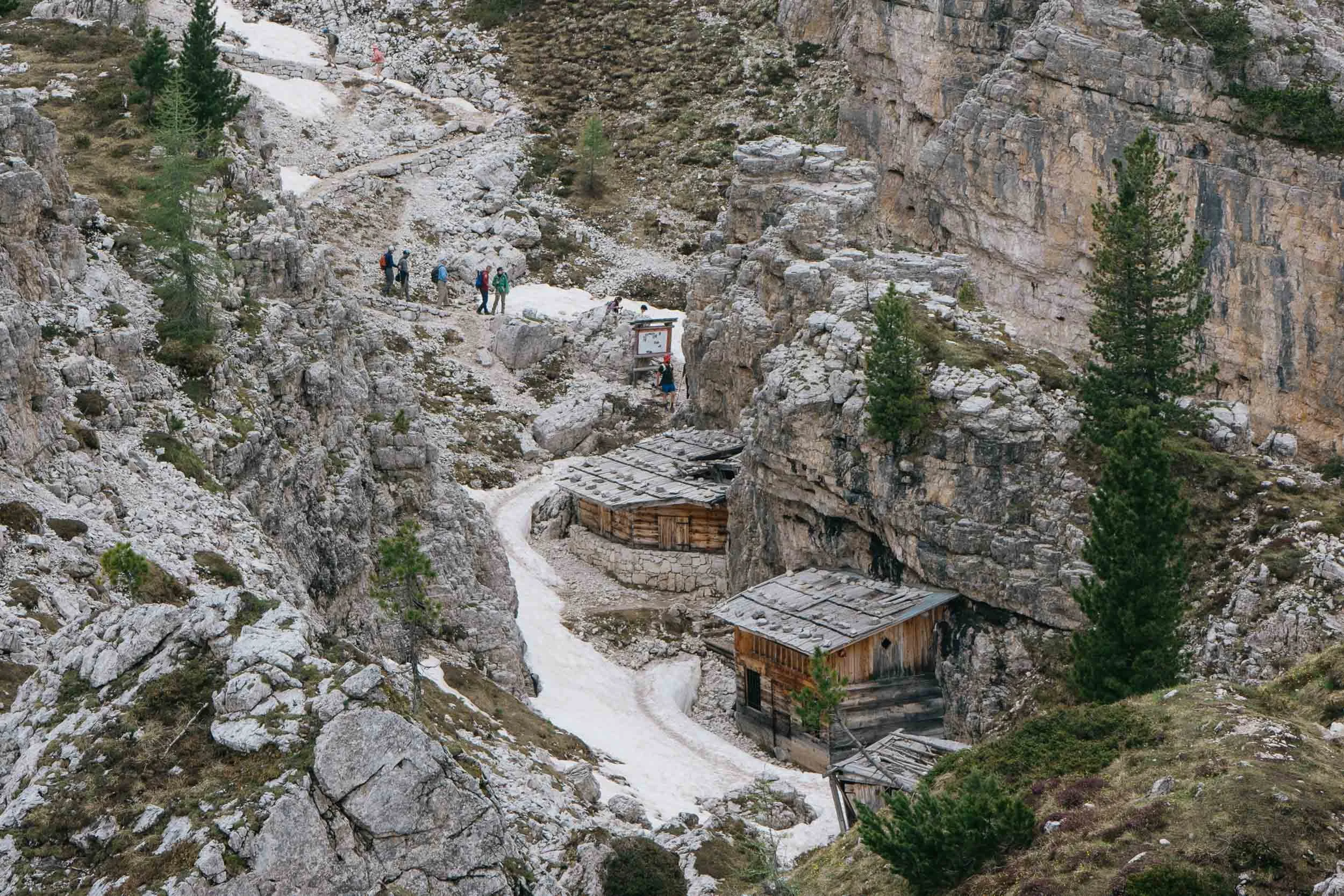
The Alta Via 1 is often considered one of the more accessible classic trekking routes in the Dolomites because the standard route doesn't require technical climbing or mandatory via ferrata sections. But it is still a physically demanding mountain trek.
The biggest challenges are:
Long ascents and descents
Rocky and uneven terrain
Loose scree and gravel
Consecutive days of hiking
Narrow or exposed sections
Rapid changes in mountain weather
Some sections have fixed cables alongside the trail to provide additional handholds on exposed terrain. These shouldn't automatically be confused with via ferrata. The standard route does not require you to climb using a harness and lanyard.
There are, however, optional via ferrata routes and more technical alternatives around parts of the Alta Via 1 (which we have covered in our Booking Guide). If you choose one of these, you'll need the appropriate equipment, experience and conditions.
For first-time trekkers, we'd recommend sticking to the standard route unless you're already comfortable with via ferrata and understand the additional risks involved.

Where to Stay on the Alta Via 1: Understanding Rifugios
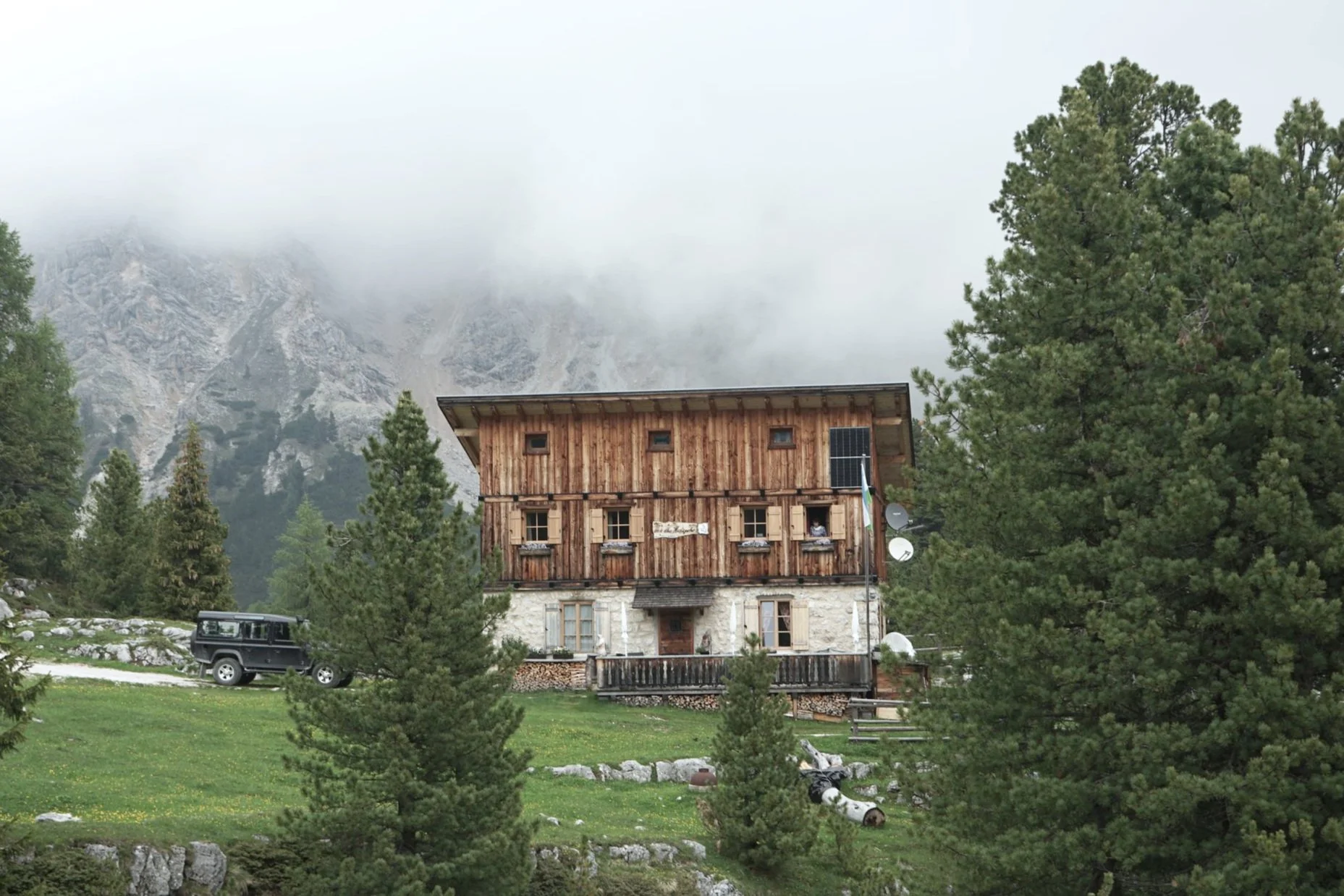
One of the things that makes the Alta Via 1 so appealing is the hut-to-hut format. Instead of carrying a tent, stove and several days of food, you sleep in mountain refuges known as rifugio.
These huts are an important part of Alpine culture. They are places where hikers, climbers, guides and hut wardens come together at the end of the day. And honestly, some of our favourite memories weren't on the trail at all. They were sitting around a communal dinner table with people we'd only met that morning, eating pasta and talking about the day's hike.
What are the huts like?
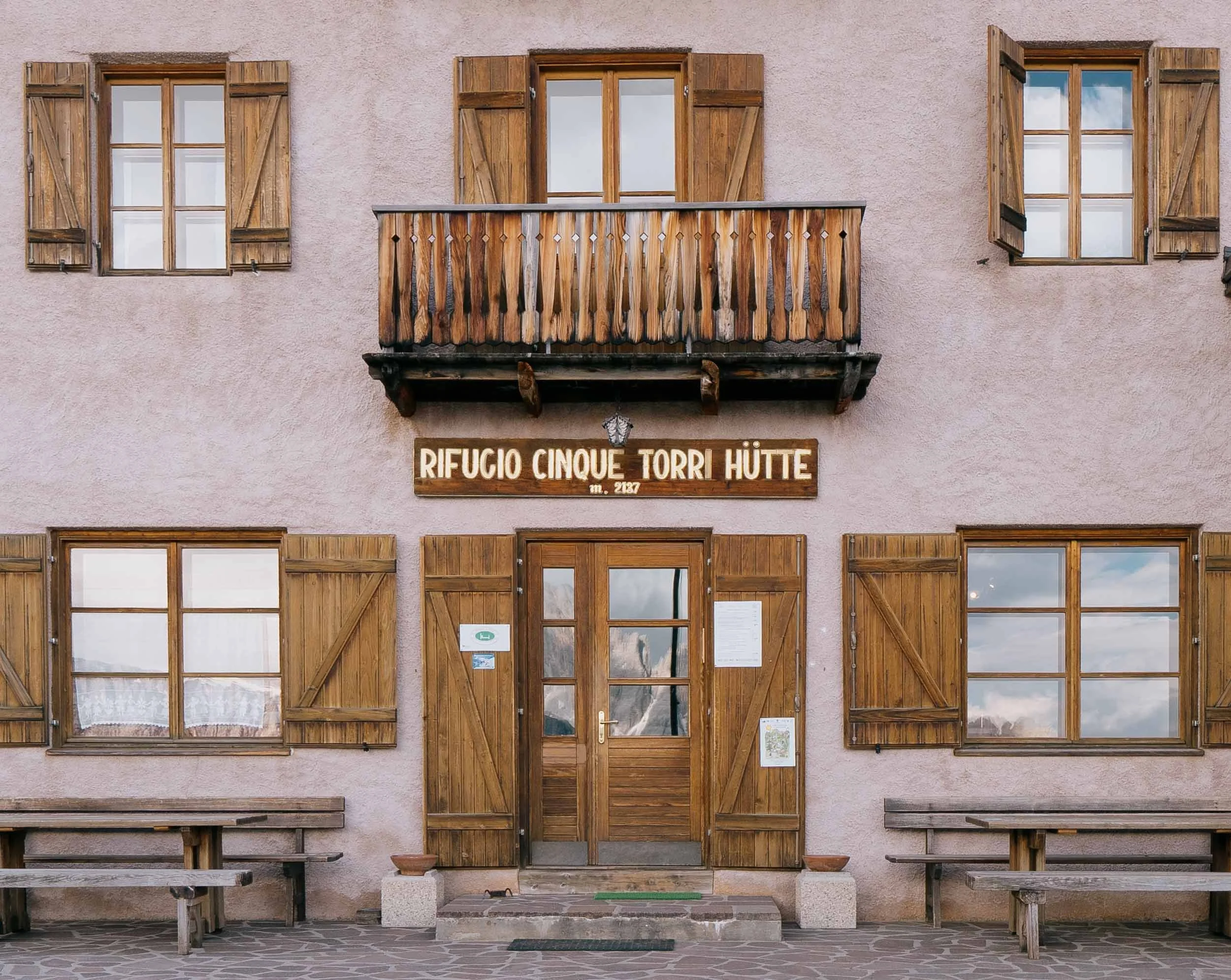
Rifugios vary considerably. Some are relatively modern and comfortable, while others are much more basic and traditional.
Depending on the hut, you may find:
Dormitory-style rooms
Private rooms
Shared or private bathrooms
Hot showers
Drying facilities
Charging points
Wi-Fi
Restaurant and bar facilities
Don't expect every hut to have every amenity, though. Part of the experience is accepting that you're in the mountains, where water, electricity and connectivity can be limited.
Sleeping in a rifugio
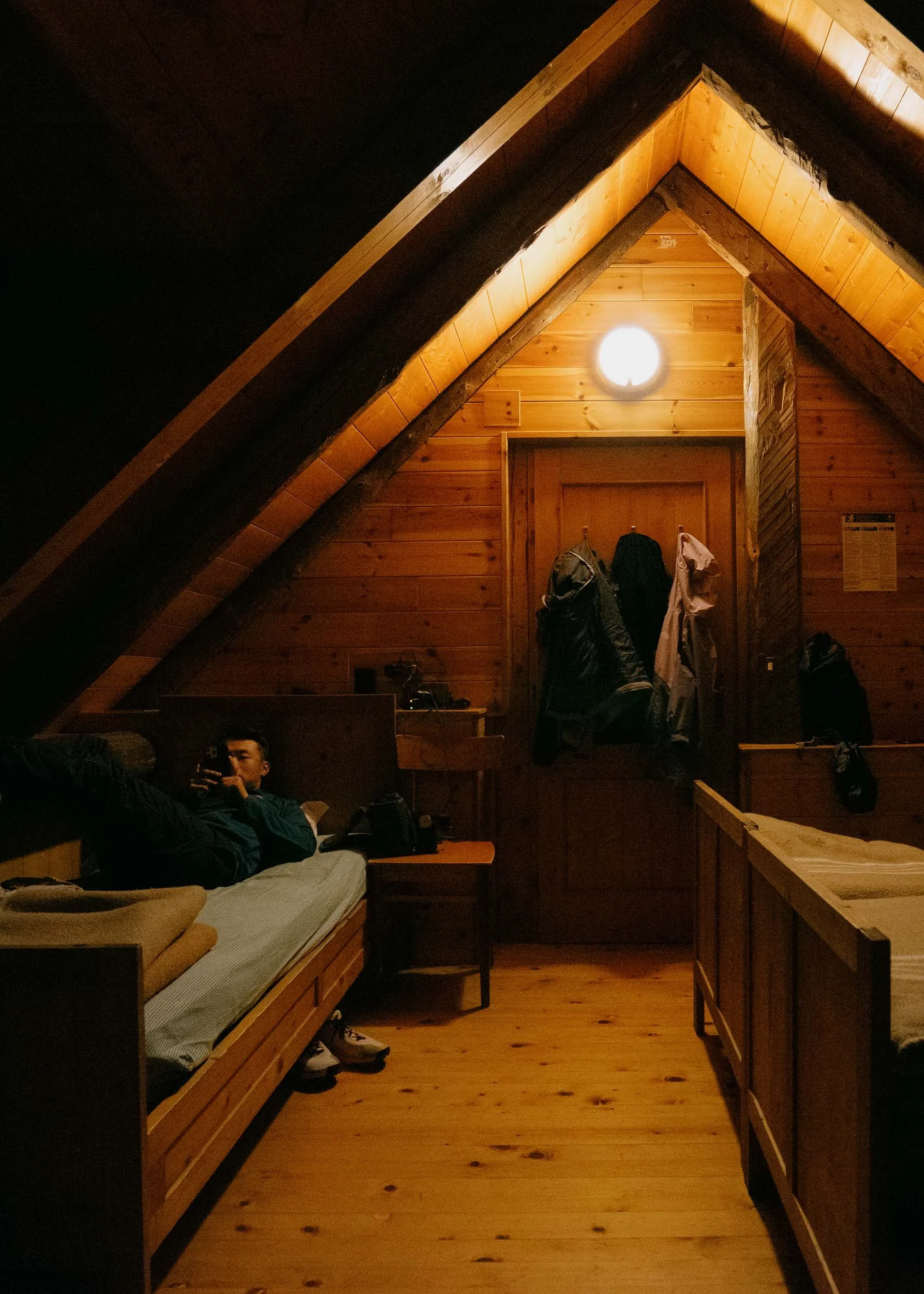
Most huts provide bedding such as blankets and pillows, but you'll generally need your own sleeping bag liner. We'd consider this an essential piece of kit for the AV1.
CAI vs privately operated huts
Some rifugios are operated by the Club Alpino Italiano (CAI), while others are privately operated. Membership of certain reciprocal Alpine clubs can provide discounts at participating huts, although the exact arrangements and proof of membership required can vary. If you're planning to use a membership discount, check the individual hut's current policy before booking.
Our Favourite Rifugio
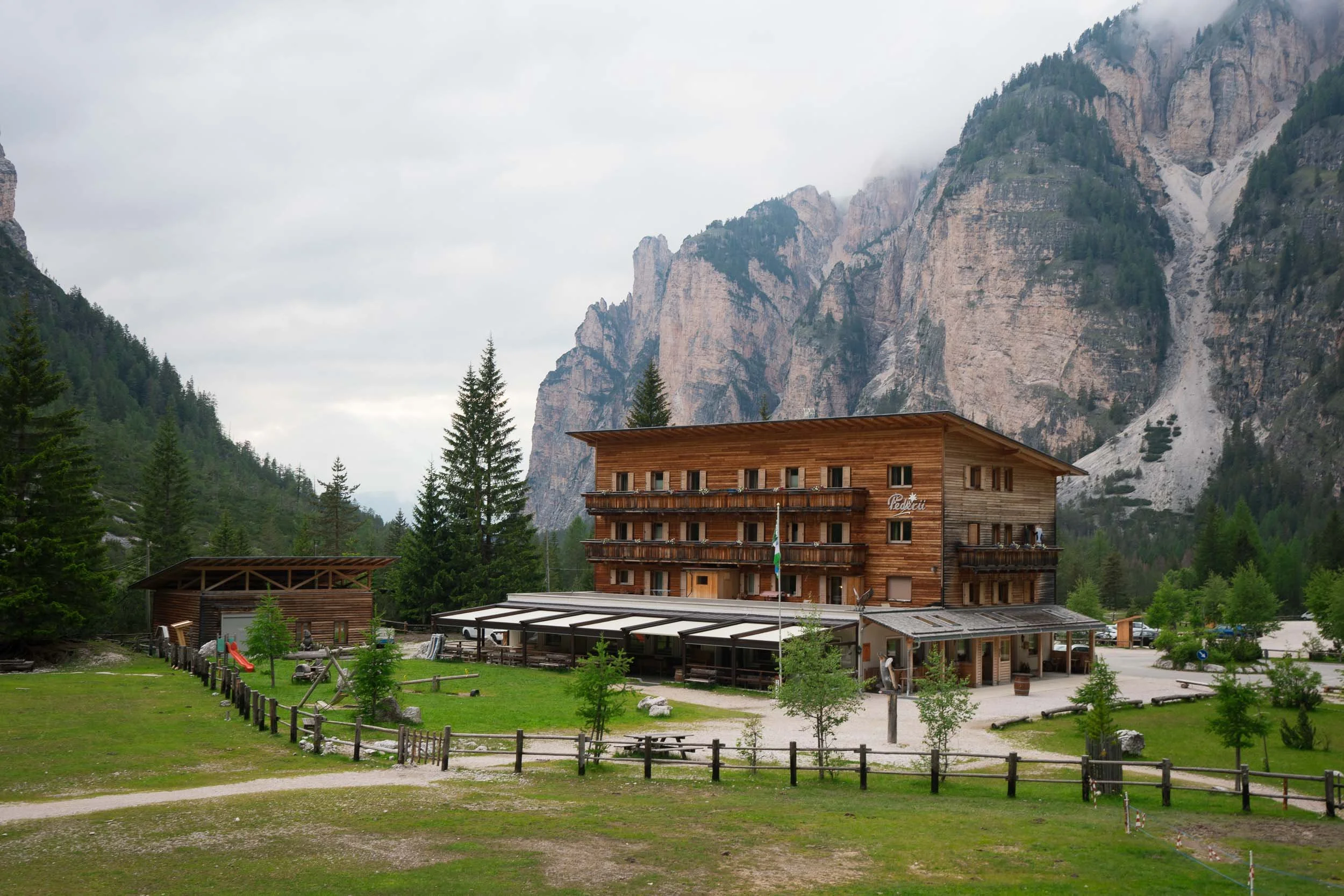
Most Comfortable: Rifugio Pederü
If you want a little taste of comfort during your trek, Rifugio Pederü was one of our favourite stays. We loved the private rooms, hot showers and, most importantly, the food. After several hours on the trail, having a proper meal and somewhere comfortable to rest felt like absolute luxury.
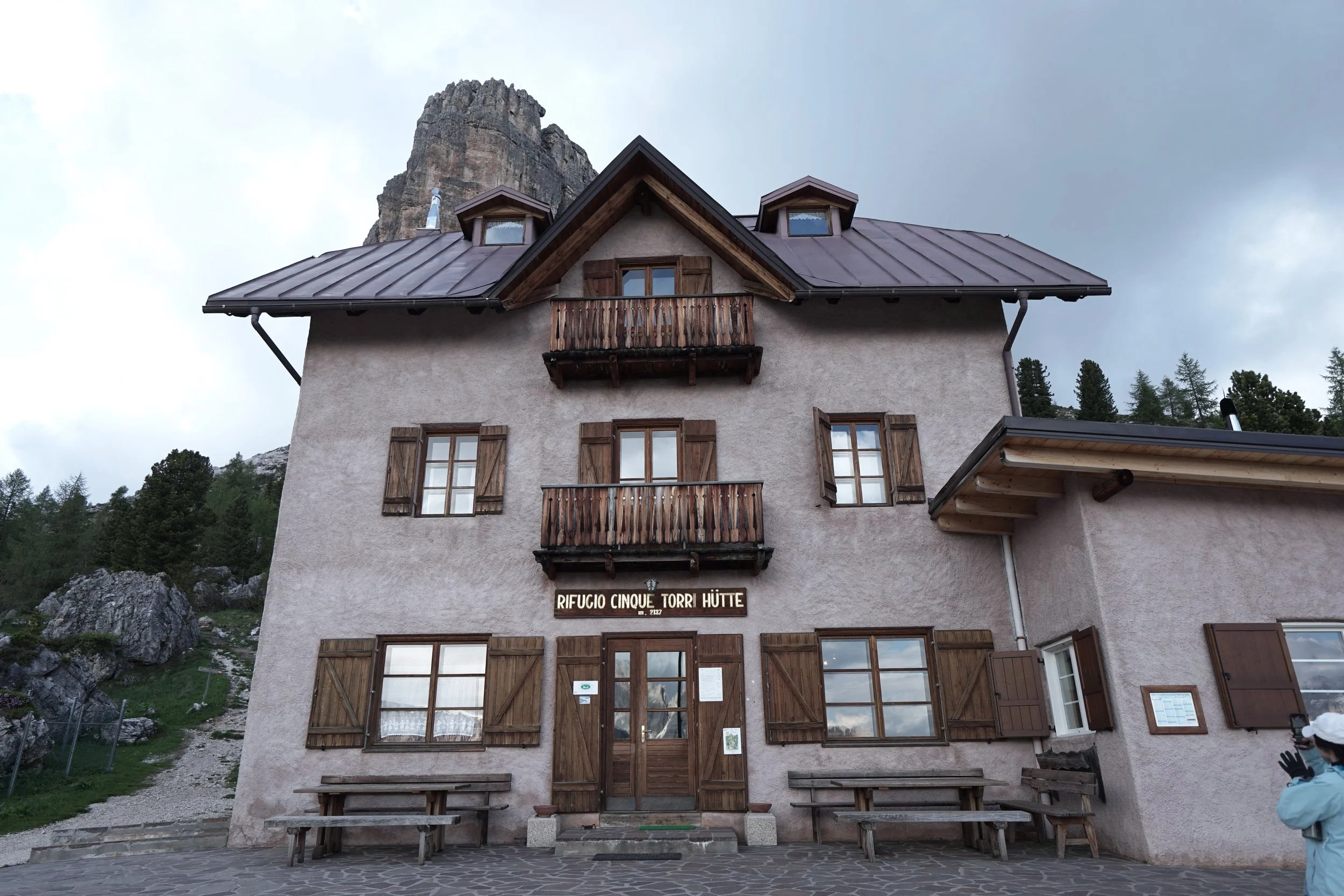
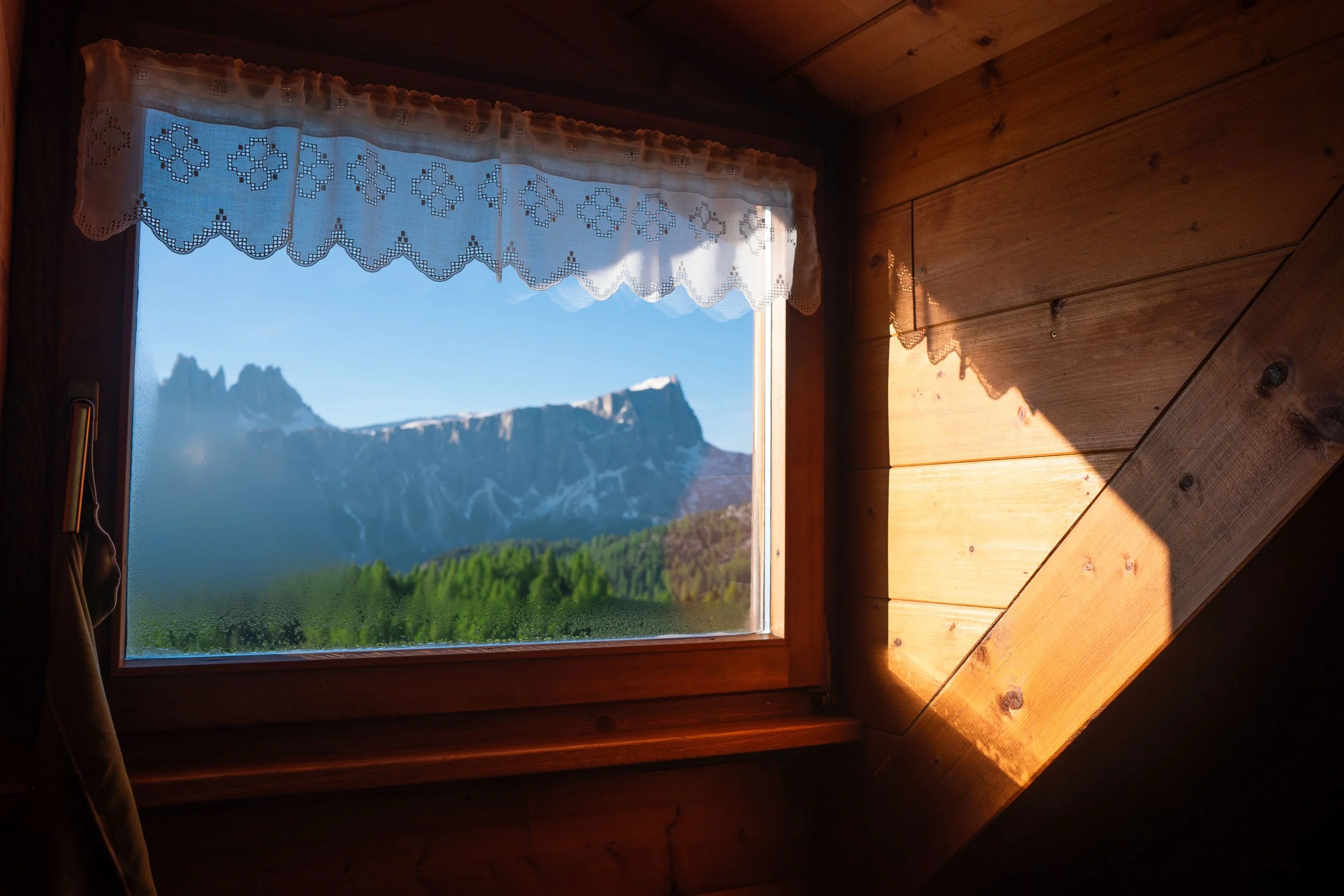
Best Views: Rifugio Cinque Torri
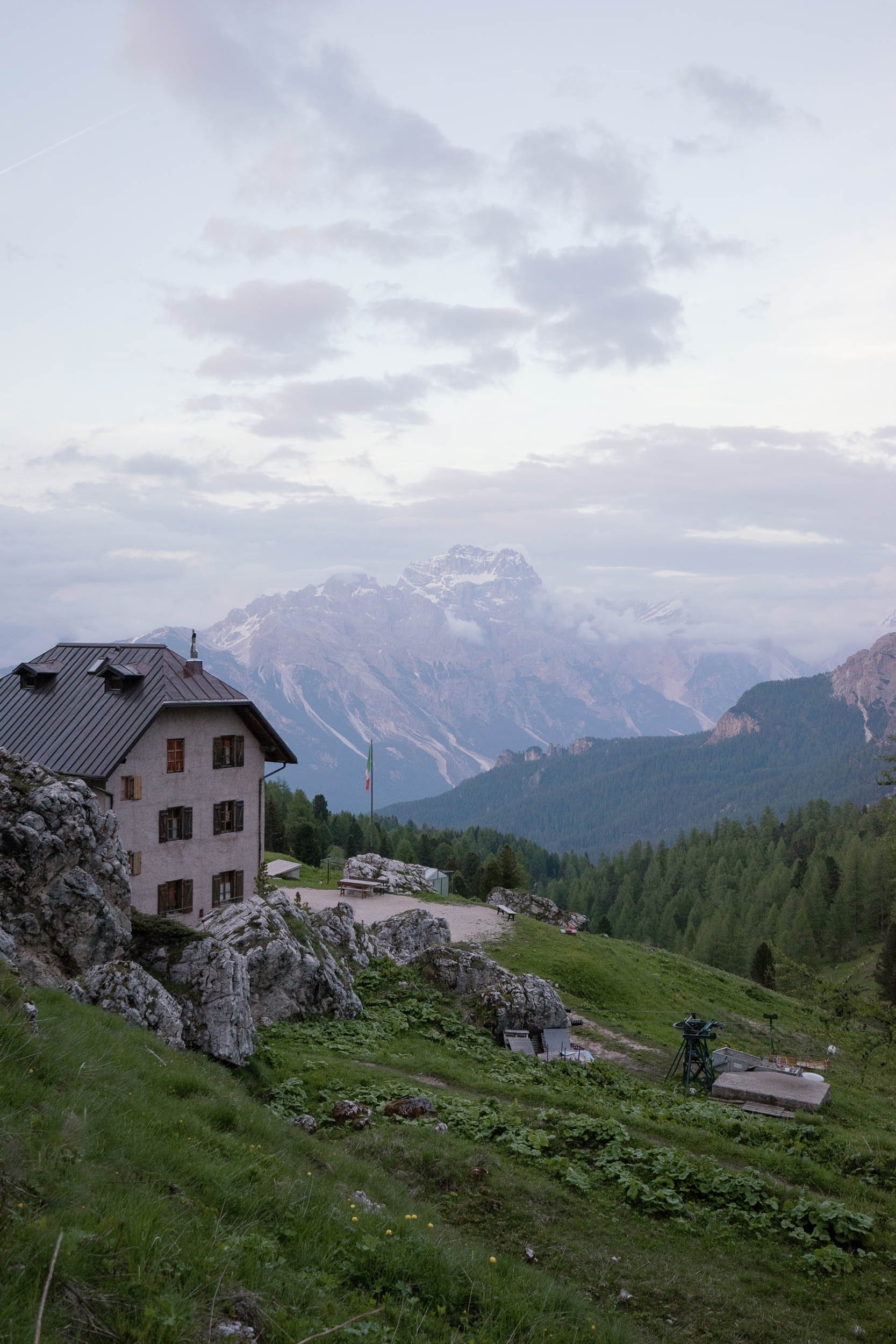
Cinque Torri is much simpler and more traditional, but the location is hard to beat. The hut sits right beneath the dramatic Five Towers, and stepping outside in the evening to watch the light change across the peaks was unforgettable. If we could pick one hut to return to simply for the location, it would be Cinque Torri.
The Hardest Part of Planning the Alta Via 1: Booking the Huts
For us, the hiking wasn't actually the hardest part of planning the Alta Via 1. It was getting all the huts to line up.
Unlike some long-distance trekking routes, there isn't one central booking system for the Alta Via 1. Each rifugio manages its own reservations, and booking methods can vary between websites, booking forms, email and phone. That means planning your trek can feel a little like putting together a puzzle.
You need to decide how many days you want to hike, work out which huts fit your itinerary, check when each one opens for reservations and keep alternative options in mind in case your preferred hut is already full. And this matters because the most popular huts can fill quickly during the summer season.
We learned that hut availability often needs to come before the perfect itinerary.
Rather than deciding on your route first and trying to book everything afterwards, we'd recommend checking the reservation situation as you build your itinerary.
Planning the Alta Via 1 for 2027
If you're planning to hike the Alta Via 1 in 2027, hut reservations typically begin opening from late autumn 2026 onwards, although every rifugio sets its own booking schedule.
We created our 2027 Dolomites AV1 Hut Booking Guide to make this part easier.
It brings together the hut-by-hut information we wish we'd had when planning our own trek, including:
38 AV1 huts and alternative accommodation options
2027 booking opening dates
Current prices and booking information
Direct booking links and contact details
Room types and amenities
Shower and charging information
Alternative huts when your first choice is full
Route and itinerary considerations
→ Read our [Plan Your Dolomites AV1 Trek] blog post
Wild Camping on the Alta Via 1: What Are the Rules?
If you're planning the Alta Via 1, don't assume you can simply pitch a tent beside the trail if your preferred rifugio is full. Wild camping is restricted or prohibited in the protected areas crossed by the route, and the exact rules can vary between parks and municipalities.
Emergency bivouacking for genuine safety situations is a different matter from deliberately camping overnight. If severe weather, injury or another unexpected situation means you cannot safely reach your planned accommodation, prioritising your safety comes first.
Dining in a Rifugio: What to Expect
One of the best things about hut-to-hut trekking in the Dolomites is that you don't have to carry several days' worth of food. Many hikers choose half-board (mezza pensione), which includes dinner and breakfast.
Dinner
Dinner is usually served at a set time and tends to be hearty, filling mountain food. Depending on the hut, you might find pasta, polenta, dumplings, meat, vegetables and traditional desserts such as apple strudel. After a full day of hiking, we're not ashamed to admit that dinner was something we looked forward to every single day.
Breakfast
Breakfast tends to be simple but substantial, with things like bread, jam, butter, cheese, cold cuts, yoghurt, cereal and coffee or tea.
Lunch on the trail
You can often stop at another rifugio during the day for lunch, coffee, cake or a drink. This is one of our favourite parts of hut-to-hut trekking. There's something very satisfying about reaching a mountain hut at lunchtime, dropping your pack and ordering a hot plate of food while looking out at the mountains. If you're trying to keep your pack light, you can therefore avoid carrying a huge amount of food.
Dietary requirements
If you have dietary restrictions, tell the hut when you book. Vegetarian options are generally easier to accommodate, while vegan, gluten-free and other requirements may need more advance planning.
How Much Does the Alta Via 1 Cost?
The cost of an Alta Via 1 trek depends heavily on your itinerary, accommodation choices and how much you spend on food and drinks along the way. As a rough guide, you should budget for:
Hut accommodation
Expect roughly €75–€130 per person per night for half-board accommodation in a shared room, although prices vary considerably between huts and seasons. Private rooms can cost more.
Food and drinks
If your accommodation includes breakfast and dinner, you'll mainly need to budget for lunches, snacks and drinks. Around €20–€25 per day is a reasonable starting point for lunches and snacks, although this can easily increase if you're stopping regularly for drinks, cake or larger meals.
Transport
You'll also need to budget for getting to Lago di Braies and away from the finish at La Pissa/Belluno. Public transport is generally the most practical option for an independent trek.
Carry cash
Even though many rifugios accept cards, mountain connectivity can be unreliable. We'd recommend carrying enough physical euros to cover your stay and some additional food, drinks and other expenses.
Can You Hike the Alta Via 1 With a Dog?
Hiking the Alta Via 1 with a dog requires considerably more planning than hiking it without one. The biggest issue is accommodation.
Dog policies vary between rifugio, and many communal dormitories do not allow dogs. Some huts may only accept dogs in private rooms, while others may not permit them at all. This can significantly restrict the huts available to you and therefore your itinerary.
If you're planning to bring your dog, contact every hut before booking your itinerary and confirm its current pet policy. You should also consider the terrain itself. Some sections of the AV1 are rocky, exposed and challenging, and not every dog will be comfortable on this type of mountain terrain.
Best Time to Hike the Alta Via 1
The Alta Via 1 trekking season is relatively short (mid-June to late September), largely following the period when the mountain huts are open and high passes are accessible.
Whatever month you choose, conditions can vary considerably from year to year, make sure to check the mountain forecast shortly before setting off and be prepared to change your plans if conditions deteriorate.
Mid-June to late June
Early summer can be wonderfully peaceful, with fewer people on the trail and alpine flowers beginning to appear. But snow can remain at higher elevations well into the season.
We hiked towards the end of June, and we still encountered substantial snow and icy sections at higher elevations. We were genuinely glad we'd brought microspikes. Crossing steep snow-covered slopes without them would have been a very different experience.
July and August
This is the most popular period to hike the Alta Via 1. Conditions are generally more suitable for trekking, but you'll also encounter significantly more people on the trail. Afternoon thunderstorms are common in the Alps during summer, so an early start is always a good idea.
September
September can be a fantastic time to hike. The summer crowds begin to thin, temperatures are often comfortable during the day and the mountains take on a quieter, more autumnal atmosphere. However, nights can become cold and early winter conditions can arrive quickly at higher elevations.
How to Get to the Alta Via 1 Trailhead
The traditional starting point for the Alta Via 1 is Lago di Braies (Pragser Wildsee).
Many hikers stay in Cortina d'Ampezzo, Dobbiaco (Toblach) or Villabassa (Niederdorf) before beginning their trek. We'd strongly recommend arriving in the area at least the day before you start hiking if possible. If you're arriving in Italy on the same morning that you plan to hike to the first hut, you're adding unnecessary stress to an already long first day.
The first stage to Rifugio Biella is a proper mountain day, and you'll also need to arrive at the hut within its check-in and dinner schedule.
From Cortina to Lago di Braies
Getting from Cortina d’Ampezzo to Lago di Braies is relatively straightforward using public transport. From Cortina d’Ampezzo, take Bus 445 towards Dobbiaco (Toblach). Once you arrive in Dobbiaco, transfer to Bus 442 towards Lago di Braies (Pragser Wildsee).
During the busiest summer period, access to Lago di Braies by private vehicle can be restricted, making public transport a much easier option. The exact restrictions, timetables and ticketing arrangements can change from year to year, so check the latest information before travelling.
Returning from the Alta Via 1
The classic Alta Via 1 finishes near La Pissa, south of the Schiara mountains. From La Pissa, it is a 20 minute bus ride to Belluno, where you can continue your journey by train or bus back to Venice or Cortina d’Ampezzo. Please note that the bus service is restricted on a Sunday and remember to bring cash for your tickets.
Alta Via Packing List
One of the advantages of hut-to-hut trekking is that you don't need to carry camping equipment or several days of food. With careful packing, many hikers can keep their pack relatively light.
Packing smart is crucial for a successful trek on the Alta Via 1. Weather conditions can change rapidly, and you’ll need to be ready for a variety of situations. Check out our hut to hut packing guide.
Here’s a list of essentials to bring:
Hiking boots: Sturdy, well-worn hiking boots with good ankle support are a must.
Waterproof layers: A high-quality rain jacket and pants are essential for sudden downpours.
Warm layers: Even in summer, temperatures can drop significantly at night or in higher elevations, so pack a fleece or down jacket.
Crampons or microspikes: These are useful in early or late season when snow might still be on the ground.
Hiking poles: These help reduce strain on your knees and aid in stability on rocky terrain.
Sunscreen, hat, and sunglasses: Protect yourself from the intense mountain sun.
Sleeping liner: Most rifugios provide blankets, but a liner adds comfort and cleanliness.
Towel and swimwear: Some rifugios are near alpine lakes where you can swim, so packing a lightweight towel is a good idea.
Snacks: While you’ll have meals at the rifugios, pack energy bars, nuts, and dried fruit for long days on the trail.
Water bottle or hydration system: Most huts have free at mountain water fountains outside the rifugios, which provide fresh spring water. However, some huts like Rifugio Biella do not have drinkable water.
This site contains affiliate links.
Alta Via 1 Frequently Asked Questions
Do I need a permit to hike the Alta Via 1?
There is no single Alta Via 1 trail permit equivalent to the permits required on some famous trekking routes elsewhere in the world.
However, you should always check the current access regulations for the protected areas and individual sections of your itinerary.
Your main logistical task is booking your accommodation in the rifugi.
How many days do you need for the Alta Via 1?
Most hikers take around 8–12 days to complete the classic route.
Your ideal duration depends on your fitness, preferred daily distance, hut availability and whether you want to add rest days or alternative routes.
We'd recommend allowing enough time to enjoy the mountains rather than trying to rush through the route.
Is the Alta Via 1 suitable for beginners?
Yes, provided you're already comfortable with long mountain days and consecutive days of hiking.
You don't need technical mountaineering experience for the standard route.
However, it is still a physically demanding trek and shouldn't be treated as a beginner-level day hike.
For city-based hikers moving from day hikes into their first hut-to-hut adventure, we think it can be a fantastic progression.
Do I need a via ferrata kit for the Alta Via 1?
Not for the standard route.
There are optional via ferrata routes and more technical variants along or around the AV1, but these require appropriate equipment, experience and conditions.
If you're new to via ferrata, don't add a technical route simply because it's available. Understand what you're committing to first.
How far in advance should I book Alta Via 1 huts?
As early as possible for the popular summer months.
There is no central booking system, and individual rifugi open their reservations at different times.
For a 2027 trek, start researching your huts in late 2026 and keep alternative options available.
Can I camp on the Alta Via 1?
You should not plan your AV1 itinerary around wild camping.
Camping restrictions apply across the protected areas along the route, and the exact regulations vary by location.
The route is designed around mountain huts, so booking your accommodation in advance is the simplest and most responsible approach.
Is there drinking water along the Alta Via 1?
Mountain huts are an important source of drinking water, but water availability can vary between locations and seasons.
We recommend carrying enough water for each stage rather than relying on natural streams and springs.
Check with each rifugio about its current water supply before setting off.
What is the best month to hike the Alta Via 1?
For the most reliable summer conditions, July and August are the most popular months.
However, they're also the busiest.
June can be quieter but may still have significant snow at higher elevations, while September offers cooler temperatures and fewer crowds but an increased chance of early winter conditions.
Route Maps: Google Maps vs. Hiking Apps
While Google Maps can give you a general overview of the region, it doesn't have the specific hiking trails mapped out. For more accurate navigation, we recommend downloading apps like AllTrails, which offer detailed maps of the Alta Via 1, including elevation profiles and customizable routes. These apps also allow offline use, which is crucial given the limited cell service in the mountains.
Here’s a link to an interactive map on Google for general reference, but be sure to download detailed offline maps from AllTrails to navigate confidently. (Use my code: vivchow30 for 30% off AllTrails Plus to access features like off-line maps and GPS tracking)
Is the Alta Via 1 Worth It?
Absolutely.
The Alta Via 1 was our first real introduction to hut-to-hut trekking, and looking back, we couldn't have asked for a better place to start. It challenged us physically without requiring us to become mountaineers overnight. We learned how to walk with tired legs, how to pace ourselves over several days, how quickly mountain weather can change and how much simpler life feels when your biggest decision is whether to have pasta or polenta for dinner.
For hikers coming from the city, the Alta Via 1 can be more than just a beautiful trek. It can be a gentle introduction to a completely different way of travelling through the mountains.
And if you're thinking about doing it yourself, don't let the planning put you off. The route might look complicated on a map, but once you understand the huts, the stages and how everything fits together, it becomes much more manageable.
Start with the huts. Build your itinerary around them. And leave enough room to actually enjoy the mountains.
Planning your 2027 Alta Via 1 trek?
We've put together our 2027 Dolomites AV1 Hut Booking Guide with the hut information, booking dates, prices, contacts and alternatives you'll need to build your own itinerary.
Support Our Adventures!
Hi there! If you found our guides helpful, please consider using our affiliate links below when booking your next trip. It comes at no extra cost to you, but it helps us keep creating these resources. Thank you so much for your support!
Flights & Hotels: Book your stay with Trip.com
Car Rentals: Find the best rates via Discover Cars
Alltrails:Sign up with vivchow30 here to get 30% off today!
Have a specific question about your upcoming trek? Drop us an email or send a DM to @vivchowvals we’d love to help!
If you’ve enjoyed our content, you can treat us to a ‘virtual’ coffee here.
