
Winter at Everest Base Camp (EBC): What No Guidebook Will Tell You
Can You Trek Everest Base Camp in Winter?
The short answer is yes, absolutely! But the realistic answer is: yes, if you have the right mindset, the correct gear, and a flexible schedule.
Trekking to EBC during the winter months (December through February) is completely doable and comes with one major reward: the peak-season crowds disappear, leaving you with quiet trails and clear mountain views. However, you have to be prepared to face extreme sub-zero temperatures, unheated teahouses, and unpredictable flight logistics. To handle these conditions safely, we recommend going only with a guide. We personally suggest booking the trip with Royal Holidays Adventure, a local trekking company that we used to manage our mountain logistics and safety perfectly.
I did the classic Everest Base Camp route in January. Trekking the Khumbu region in the winter is an entirely different experience compared to the milder spring or autumn windows. Looking back, there were several challenges I hadn’t anticipated, even after doing research beforehand.
Here are the unglamorous insights I wish I’d known before flying to Nepal.
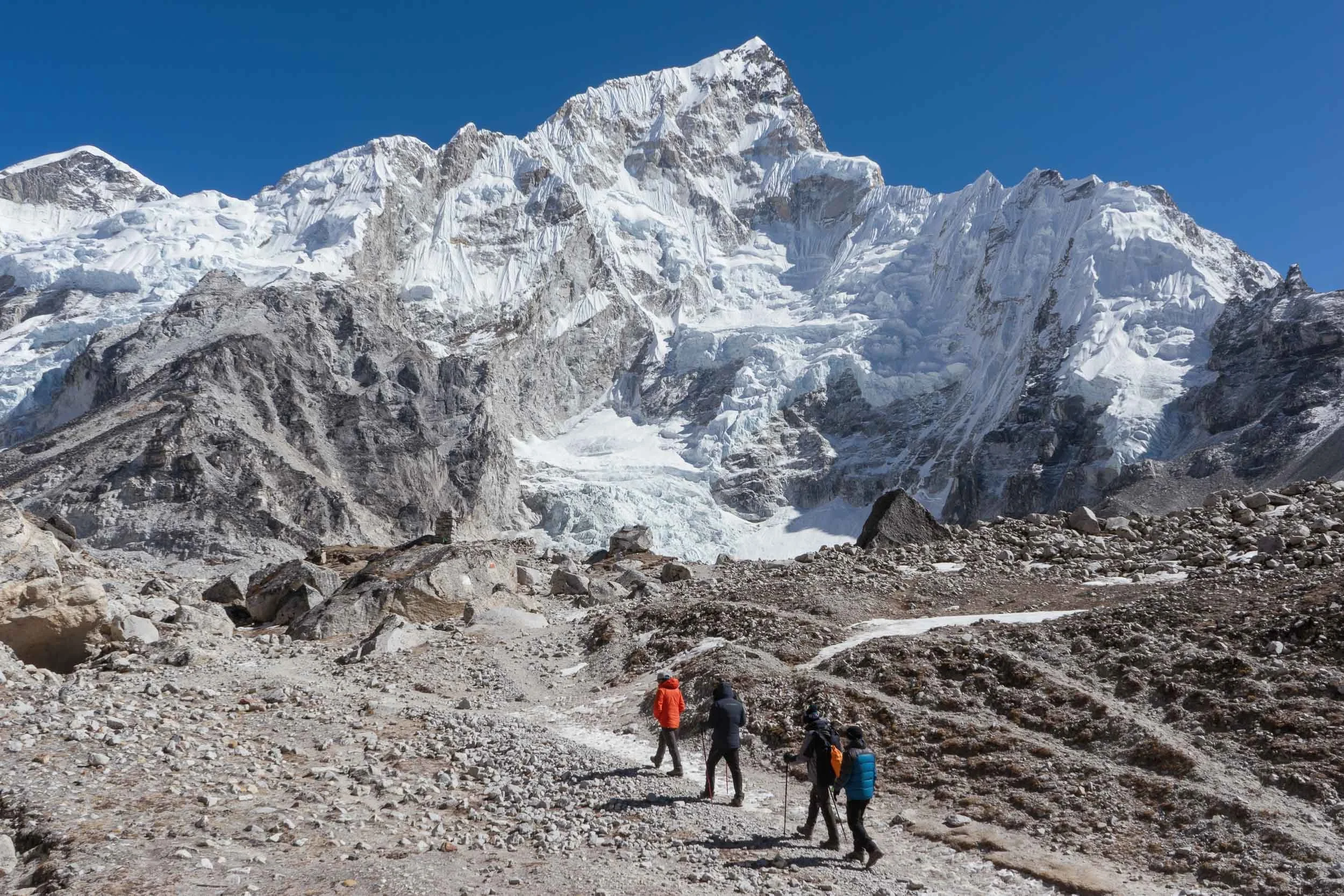
Trekking EBC in the winter is incredibly peaceful. You won't meet many other trekkers on the trail, leaving you to enjoy these massive snow-covered mountains in absolute silence
Tips I Wish I’d Known Before Trekking EBC in the Winter
Expect Flight Delays (Have Extra Buffer Days)
Technically, this applies to all-season trekking in Nepal. Whether you travel in the peak spring windows or the dead of winter, mountain flights are unpredictable. However, winter brings its own set of weather challenges. Even though the season often has clear skies, getting from Kathmandu to the mountain airstrip at Lukla can become a logistical issue.
The small propeller planes used on this route rely entirely on visual flight rules. For safety, pilots will not take off unless visibility across the mountain passes is clear. I spent three days stuck in Kathmandu, watching the flight boards and hoping the cloud layer would lift.
Because of those weather delays, our original 12-day itinerary, which included two mandatory acclimatization rest days in Namche Bazaar, got compressed into a 10-day sprint to base camp and back. Rushing meant we felt the physical impacts of altitude sickness and struggled to get enough rest. If you are booking a winter trek, build at least 3 to 4 buffer days into your travel plans to account for delayed flights. Alternatively, you can opt for a helicopter transfer if your budget allows, though it costs significantly more than a plane ticket.
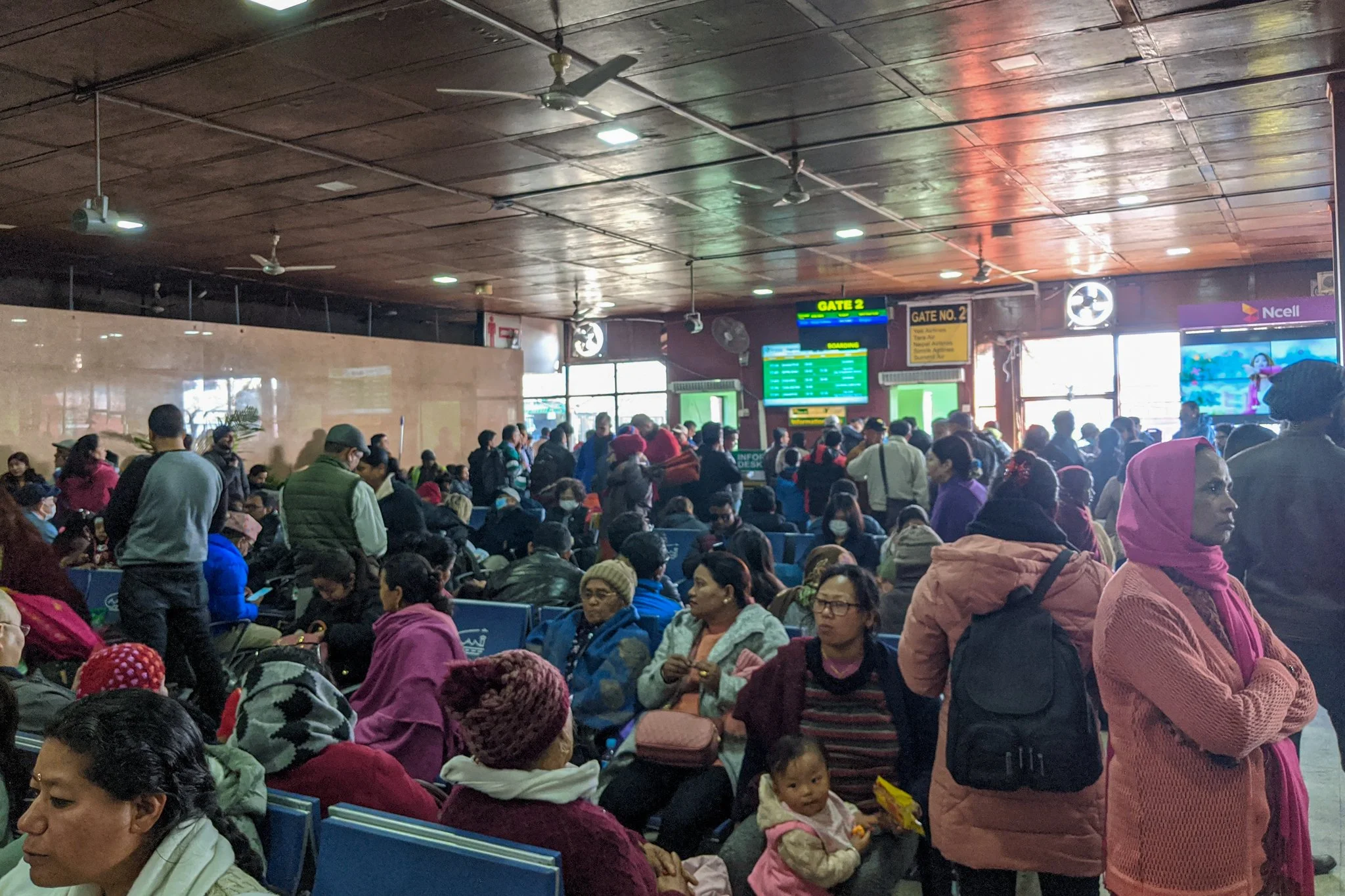
Waiting out delays at the Kathmandu domestic terminal. This is extremely common no matter the season, so come mentally prepared with plenty of patience
One Outfit, Many Layers
When you are battling sub-zero cold, physical fatigue, and mild altitude headaches, the motivation to change clothes vanishes.
I am a minimalist hiker, so I wore the same outer layers for the majority of the trek, only swapping out my underwear and inner socks. The secret to staying fresh and preventing odors is investing in high-quality merino wool base layers. Merino wool naturally resists bacteria and regulates your temperature well. Because the temperature fluctuations between a sunny afternoon of walking and a frozen evening are massive, your daily routine will consist of constantly putting on and shedding layers. If you want a complete breakdown of exactly what to bring, check out our hiking packing toolkit.
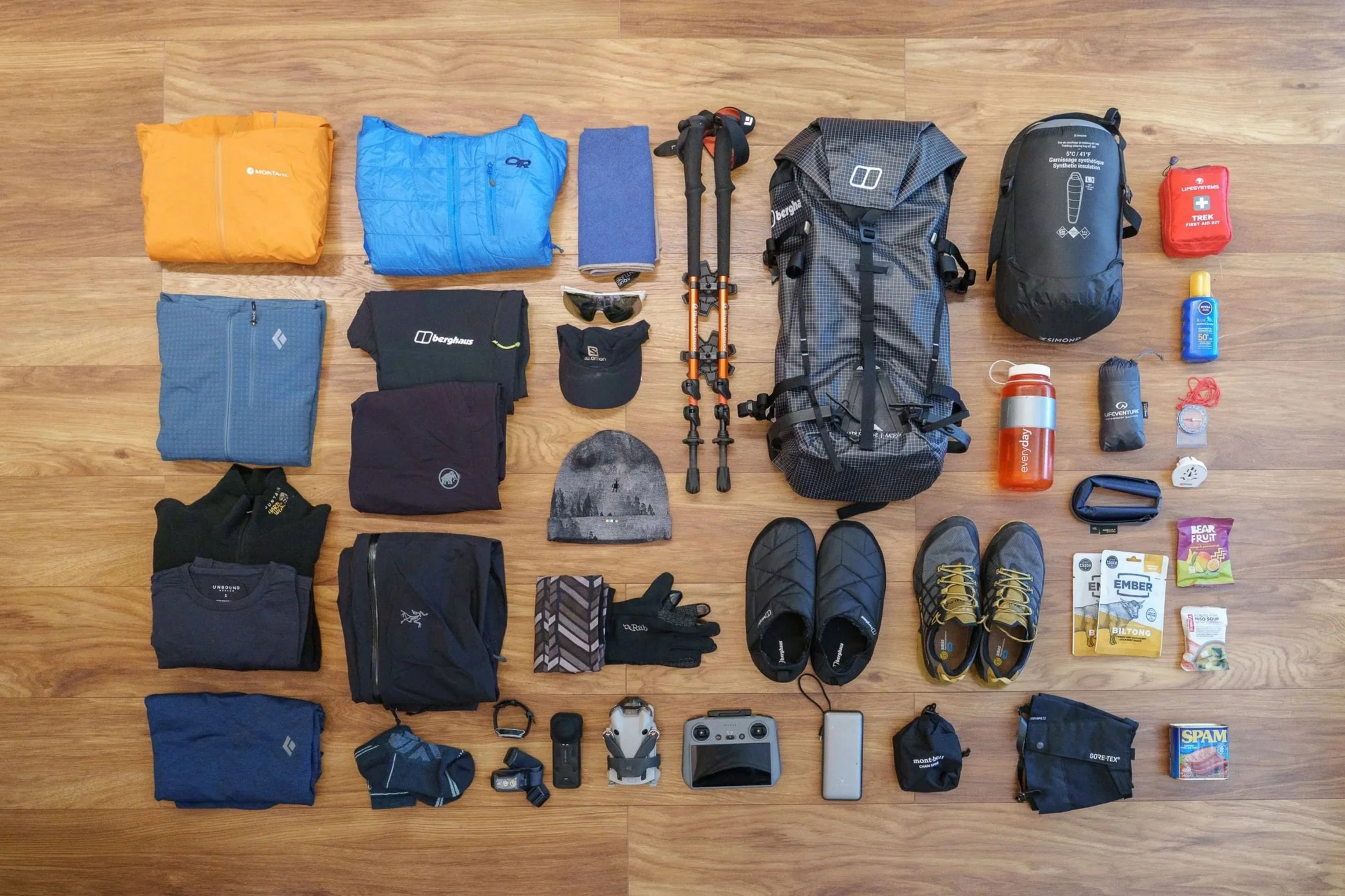
Our flat-lay packing system. For winter treks, you will need to add heavy-duty down jackets and a sleeping bag that can easily handle extreme sub-zero temperatures
Plan Your Winter Trek Safely: If you want to tackle Everest Base Camp during the winter without the logistical headaches, we highly recommend booking direct with Royal Holidays Adventure. Having used them before for our own treks, we had such a great experience that we decided to partner up with them. They handle everything from weather delays to mountain safety perfectly. Mention our blog or use code VIVKEV to get 5% off your trek!
Reapply Sunscreen — A Lot!
Do not make the same mistake I did. I applied sunscreen once every morning, assuming that the winter cold meant the sun wasn't a threat.
In reality, the high altitude means the atmosphere is thinner, and the fields of white winter snow reflect the UV rays like a mirror. The sun exposure is intense. You need to reapply a high-SPF sunscreen every two hours without fail. My goggle-tan lasted for months after I returned to London; while it sparked a few conversations, it was also a little embarrassing in casual settings.
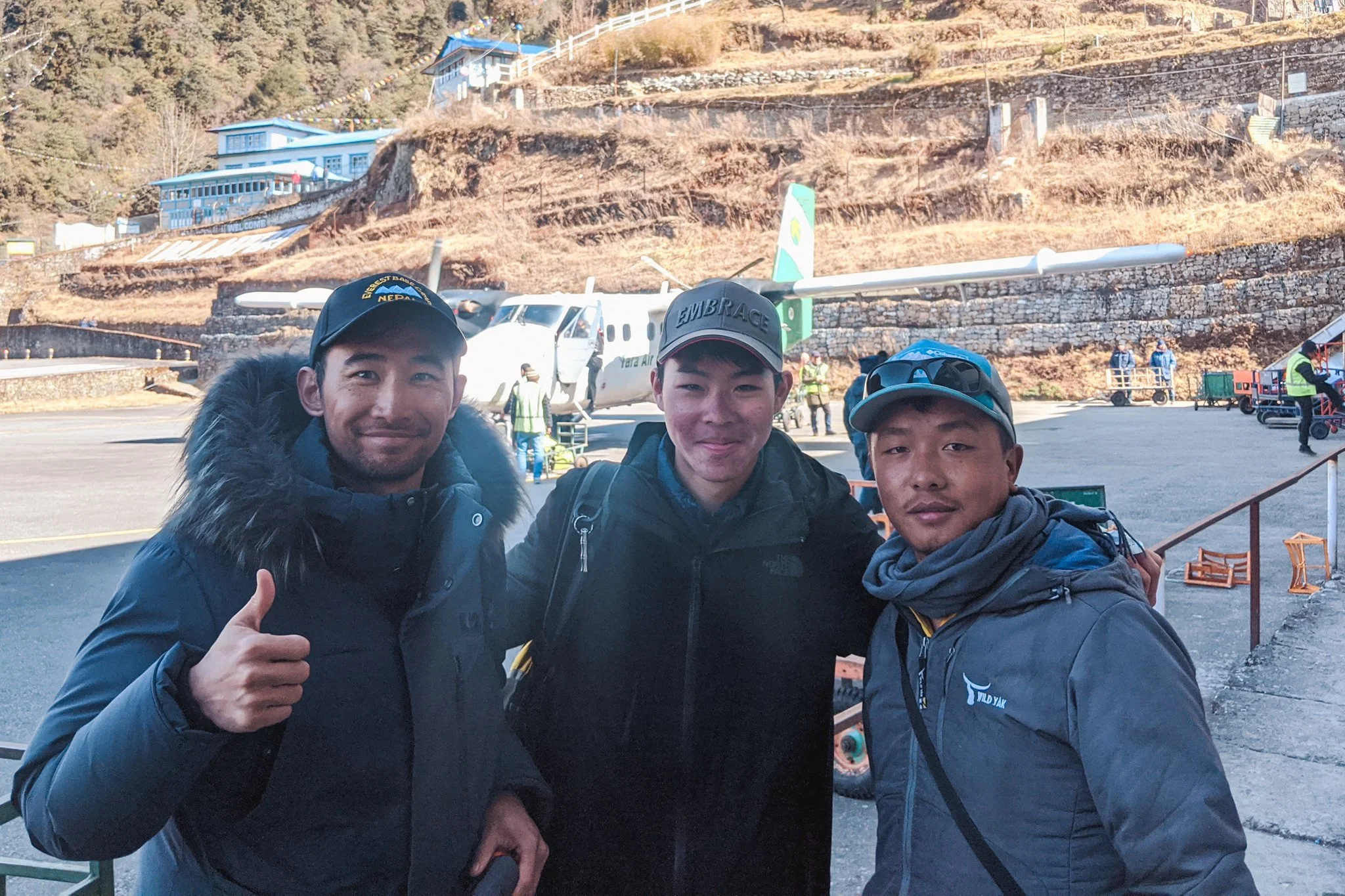
Please remember to reapply your sunscreen every few hours, or you will end up with the worst goggle-tan of your life (which I certainly did)
Keep Your Camera & Phone Batteries Warm
Extreme cold drains lithium-ion batteries quickly. If you want to capture a sunset hitting Mount Everest, you need to protect your electronics. In sub-zero temperatures, a fully charged camera battery can drop to dead in less than 10 minutes of exposure. Pack a few air-activated heat patches, wrap your spare batteries around them, and keep them tucked inside your inner jacket pockets close to your body heat. At night, sleep with your phone, camera batteries, and portable power banks inside your sleeping bag so they don't freeze and lose charge overnight.
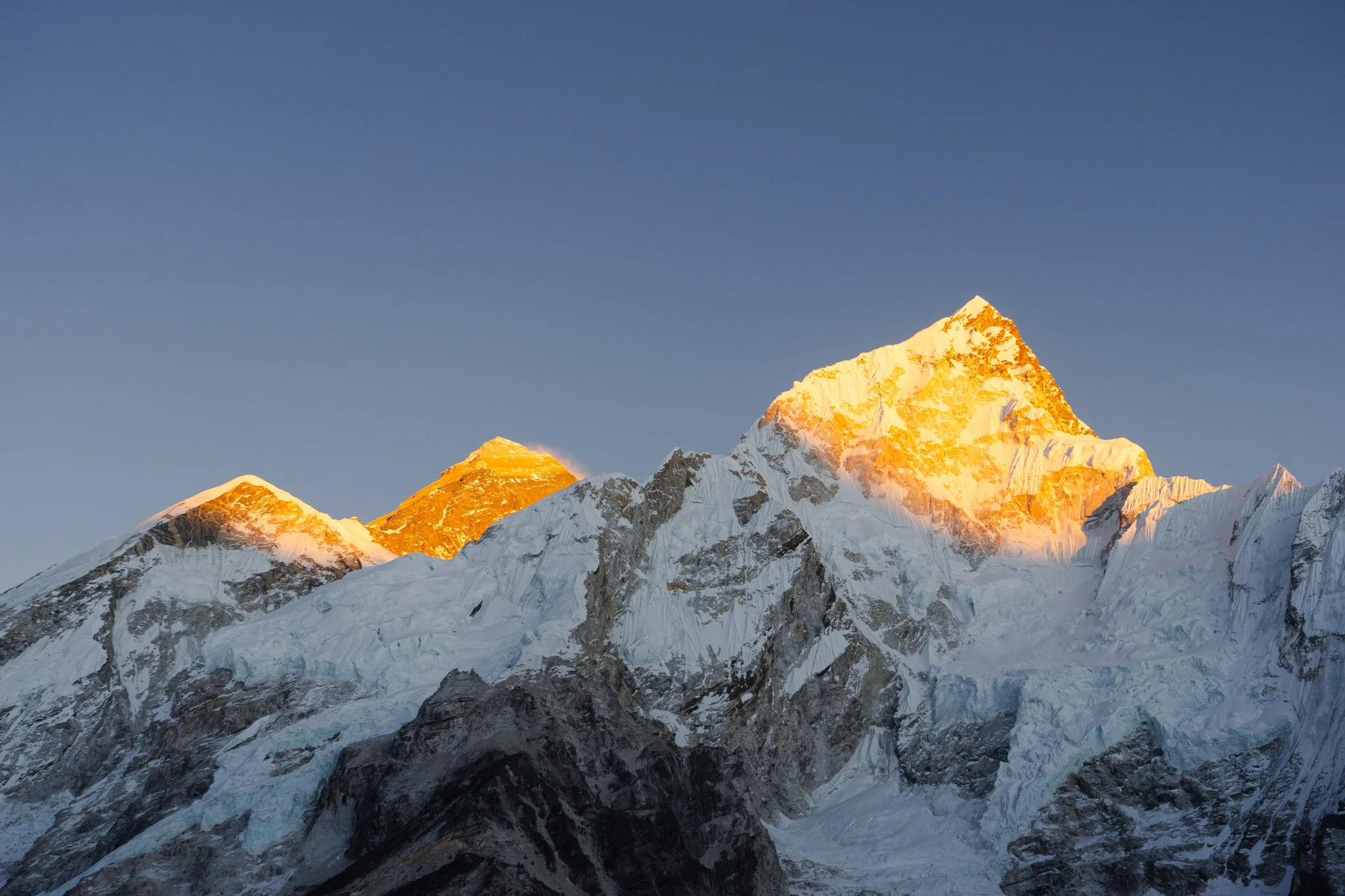
Watching the sunset over Mount Everest from the summit of Kala Patthar (5,643m) right as all my camera batteries and electronics slowly froze and died
Embrace the Digital Detox
Once you push past 4,200 meters, reliable Wi-Fi disappears. While some modern tea houses offer paid scratch cards for satellite internet, the bandwidth is limited. You might have just enough signal to send a quick text to your family letting them know you are safe, but forget about loading Instagram or uploading videos.
Instead of fighting the poor connection, embrace the digital detox. Disconnect from social media and focus on the wilderness surrounding you.
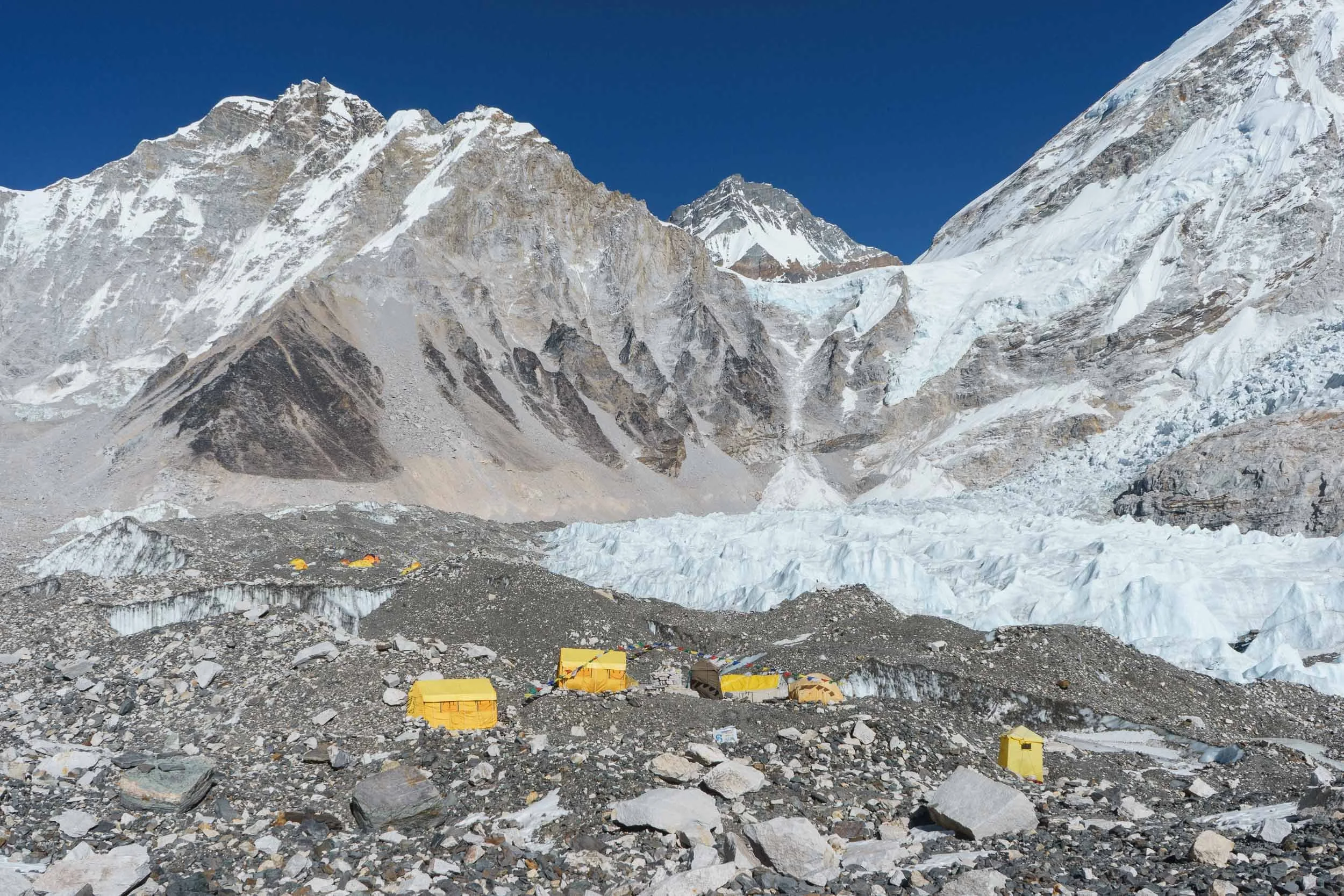
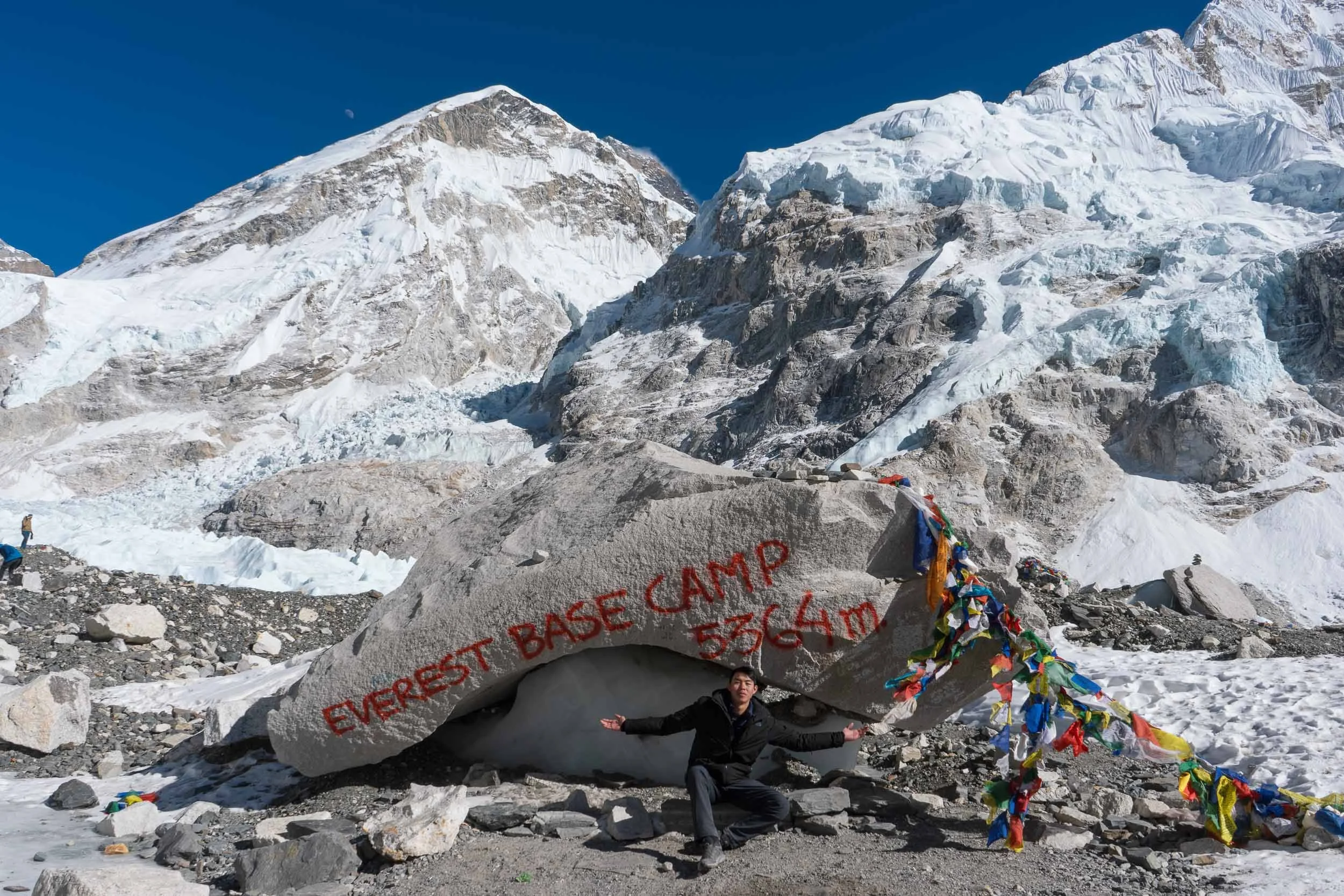
Standing at Everest Base Camp. In the winter, outside of the spring climbing season, the entire area is completely empty and quiet
Be an Early Pooper!
This sounds funny, but it is a practical tip on the mountain. Due to the high altitude, nighttime temperatures inside the teahouses regularly plummet to -15°C or lower.
Because the guest houses are unheated, the standing water in the indoor toilet bowls freezes solid overnight. By morning, the drains are often clogged with ice. If you want to avoid unpleasant smells and an overcrowded toilet bowl, wake up early to beat the morning rush. The teahouse owners usually have to wait until the afternoon sun thaws the pipes before they can flush everyone’s waste away all at once. Timing matters here.
Do Not Attempt to Shower
As tempting as it might be to wash off the dust after a long day of trekking, do not attempt to shower once you get into the upper alpine zones.
Many of the teahouse showers are located in basic, uninsulated outhouses or outdoor stalls. Hot water is scarce and cools down rapidly. The moment the water stops running, your body temperature will drop quickly in the freezing air. This exposure is a recipe for severe colds, hypothermia, or even high-altitude pneumonia. I went a full 10 days without a shower on my trek, and you just accept it as part of the mountain lifestyle.
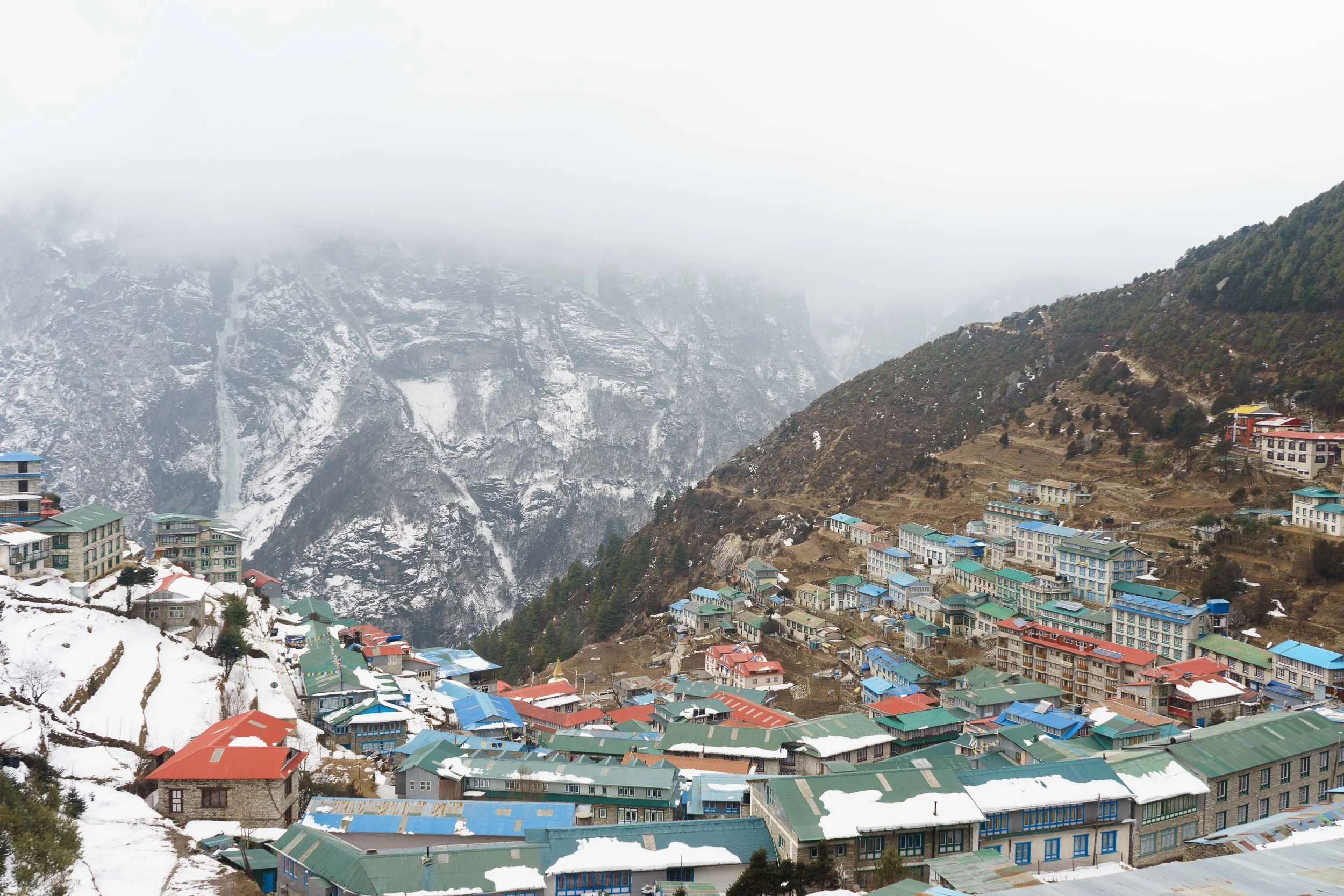
My last shower happened in Namche Bazaar. Once you hit the higher altitude villages, it is freezing cold and much safer to skip the shower until your celebratory return
Go with a Trusted Local Company
Trekking the Khumbu region in the winter carries operational risks if you are on your own or with an inexperienced crew. Sudden blizzards can turn clear trails into snow-packed terrain where trail markers disappear under fresh powder.
In these freezing conditions, a local, seasoned guide is non-negotiable. Your guide knows the local terrain best; they know how to assess whether a pass is safe to cross, track weather shifts across the ridges, and monitor your health for signs of altitude sickness or hypothermia.
We only recommend teams we have personally used and vetted. For an expedition like this, we recommend booking directly through Royal Holidays Adventure. They are a locally owned Nepalese agency that prioritizes safety, ethical treatment of staff, and reliable logistical support. These are the things no one tells you about trekking Everest Base Camp in winter. If you are planning your own journey to EBC, we hope these tips help you prepare for the trip.
Happy trekking!
If you decide to head out on an adventure with Royal Holidays Adventure, Sandip, the owner, has set up an exclusive discount for our community. You can get 5% off your booking by using code VIVKEV and mentioning us when you reach out to them. It applies to most of their treks all across Nepal. We wholeheartedly recommend them. Check them out!
Support Our Adventures!
Hi there! If you found our guides helpful, please consider using our affiliate links below when booking your next trip. It comes at no extra cost to you, but it helps us keep creating these resources. Thank you so much for your support!
Flights & Hotels: Book your stay with Trip.com
Car Rentals: Find the best rates via Discover Cars
Alltrails: Sign up with vivchow30 here to get 30% off today!
Have a specific question about your upcoming trek? Drop us an email or send a DM to @vivchowvals we’d love to help!
If you’ve enjoyed our content, you can treat us to a ‘virtual’ coffee here.
